
Did People Spend More or Less During Lockdown?
This week marks the next stage of the governments plan to ease lockdown measures in the UK. Junior Economist Vanessa Osinlaru reveals just how much of an impact the lockdown had on our economy.
Did People Spend More or Less During Lockdown?
Words Vanessa Osinlaru
This week marks the next stage of the government’s plan to ease lockdown measures in the UK. Junior Economist Vanessa Osinlaru reveals just how much of an impact the lockdown had on our economy.
This week marks the next stage of the governments plan to ease lockdown measures in the UK. The harsh restrictions placed upon many lives to slow down the spread of the virus has paralysed business activity. Before Covid-19 the use of online shopping was part of the norm. This allowed many people to continue shopping whilst on lockdown as they normally would. Keeping our drowning economy on it’s feet or tip toes as some would argue. As shops open this week, will the change it brings go down in economic history? Opening shops might be the turning point our economy needs since the pandemic started. As stores open and many excited shoppers get ready to spend, let’s look at how much people really spent during lockdown and whether opening of shops will make a big difference.

Lockdown decreased overall consumers spending but spending increased in certain areas. People spent less during lockdown overall. As of May 12, 2020, combined spending in all categories dropped by almost 30% but grew in certain categories. Online grocery and clothing are the two categories where spending increased significantly. As shops open, the average consumer won’t see a difference. The majority of the shopping people were able to do during lockdown is the same shopping they are able to do now that shops are open. The only small difference is that they are now able to see the items they want to buy physically rather than on a screen.

Unsurprisingly, supermarkets sales rose by 14.3 per cent during April’s lockdown. Brits spent a huge £524 million more on groceries in April this year than they did in April last year. This is partly due to the many people who stockpiled when lockdown was first announced. Articles who advised people to stop over buying when people first started doing so, caused even more people to believe food was running out in stores. This led to millions of people running to the shops to stockpile. Separately, online shopping increased significantly. Spending on eating, drinking and takeaway food online rose by 25 per cent. This figure is higher than the rise of supermarket sells. More people choose the online grocery shopping option than the physical shopping option. Grocery delivery services jumped, by over five-fold with consumers spending a big 558.4 per cent more compared to last year. Most people chose this option, most likely to comply with social distancing rules. Digital content and subscriptions to TV and games streaming services also saw a huge increase in sells whilst people spent lease on airlines, leisure, gaming (sports) and casino during the lockdown.
The economy picking up is heavily dependent on how much people begin to spend in certain areas after lockdown restrictions are fully eased. Did you know that 60% of our economy comes from the consumer? Shops are open and every company will be releasing their best marketing strategies to get you to spend. Overall people spent less during lockdown and this has had a negative effect on our economy. The opening of all shops will definitely cause spending in areas other than clothing and groceries to increase but it is uncertain if this will be the turning point that the world needs to get our economy back on its feet.
Vanessa Osinlaru - Junior Economist
Do We Really Want Change? A Protest is For Life
We’ve seen the countless protests, peons and kneeling. We are not seeing anything that we haven’t seen before. We all want change but the question is, who is willing to bring the change? Freedom isn’t free, freedom has a price. The question is, are we willing to pay the price of freedom? When will the black community become shareholders in society, rather than just the face? What are the ingredients of change?
Do We Really Want Change? A Protest is For Life
Words Sarah Adama
We’ve seen the countless protests and petitions. We are not seeing anything that we haven’t seen before. We all want change but the question is, who is willing to bring the change? Freedom isn’t free, freedom has a price. The question is, are we willing to pay the price of freedom? When will the black community become shareholders in society, rather than just the face? What are the ingredients of change?
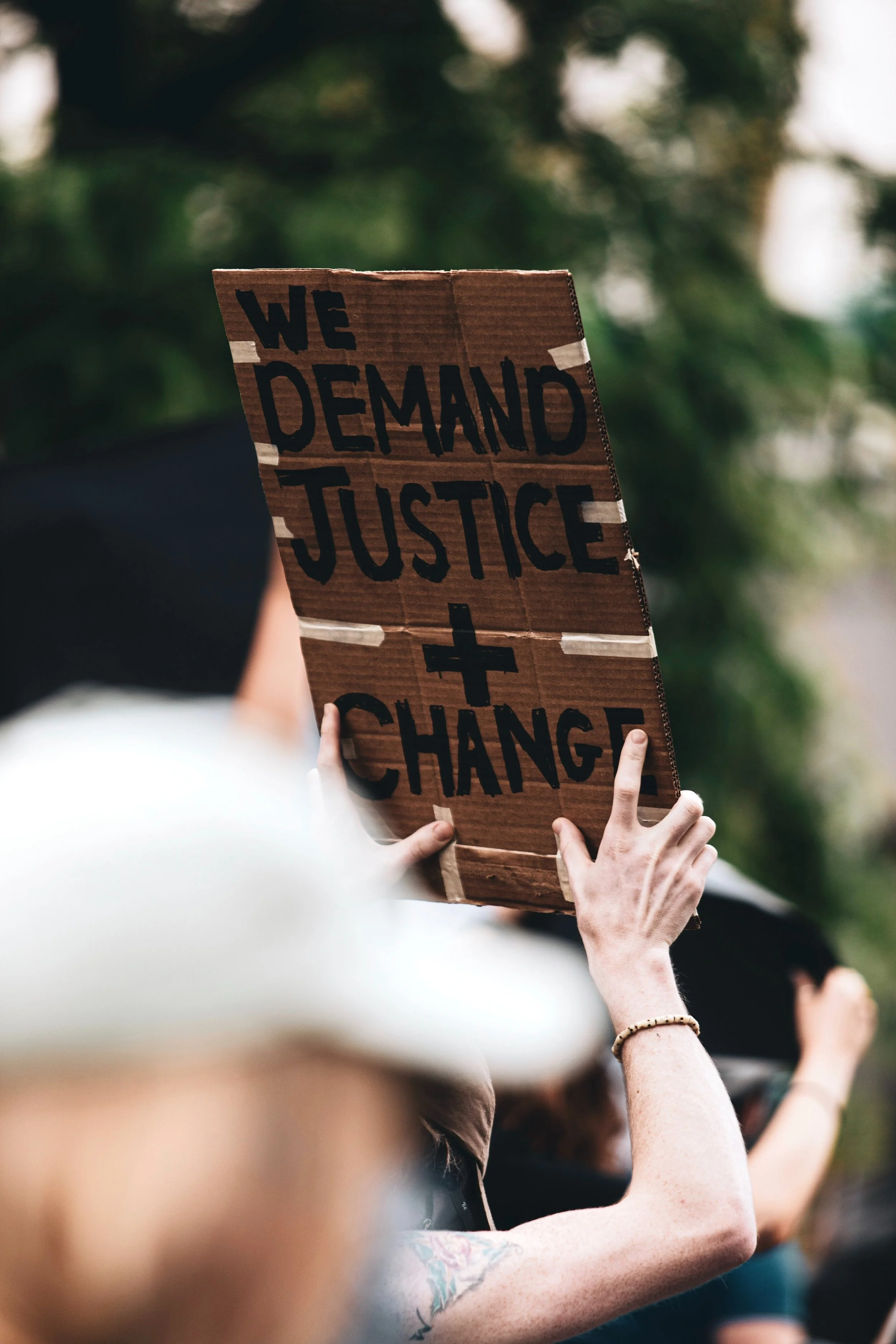
It’s true that committed citizens can change the world. As Margaret Mead said, “Never doubt that a small group of thoughtful committed citizens can change the world.” A commitment is an engagement or obligation that restricts freedom of action. In other words, a burden or responsibility. When individuals accept that there is a burden on our shoulder to change the narrative and break barriers for the next generation, we can begin to talk about long term-change. Every action we take in this current climate will determine the trajectory of the next few years. Emotions are high but it’s important to take a step back, step away from the social media uproar and think. Just think. If we can see beyond what is happening today, we will see that the journey will be long and hard, but not impossible. It’s one thing to carry a burden, it’s another thing to have the power to do something about it. One thing about commitment is to understand that protests do not start and end on social media and at marches. This means lifestyle changes, sacrifice and compassion. Once we, as commitment citizens can realise that we don’t live for ourselves and there is a cause bigger than one’s self we will push through the issues of life in the hopes of creating a better future.
Nothing great was ever accomplished without making sacrifices. Commitment and sacrifice go hand in hand. Commitment is a mind matter and sacrifice is a heart matter. Sacrifice is for the long-term greater benefit. To obtain greater freedom and prosperity, we will need to sacrifice things short term. This may mean putting aside your desires to have money to invest in a good venture or sacrificing your time to volunteer and support social enterprises.For the many companies that have publicly announced their support for the black community, it means to commit. From this moment on, every decision should respect your words, leadership structures and procedures. Corporate social responsibility begins at home. Let’s take a look at perspective as humans and citizens, we need to have conversations to understand each other more. I’m not saying racism can be solved by cultural awareness but it sure would avoid a lot of problems. We can become more culturally informed once we begin to ask questions and learn from one another.

Ignorance is deeply rooted and makes communication ineffective. People may speak about the micro-aggressions at work or stereotypes, why? This is a result of limited thinking. There are limitations to our cultural knowledge and committed citizens must begin to think outside our own box. In other words, asides from institutional problems, we have a problem of perception. Building cultural awareness will ensure that society moves from a colour-blind approach to one that recognises all. This invisibility is the reason we are experiencing a lack of representation across all industries, from beauty products to top finance firms. In case you’re all wondering where culture comes into all of this, let’s take a look at the health care institution. Culture not only influences health care practices but also influences how the healthcare provider and patient perceive illness to be. You may have heard a few stories of the experiences of pregnant black women giving birth as opposed to their white counterparts, such stories make you wonder why these people are being treated differently despite being in the same condition. Statistics show that black women have a higher birth mortality rate than their white counterparts. These observations range across different sectors and areas of human endeavour. The question we must begin to ask is why? We understand that an institution can be ‘intentionally racist’ but why is it that people, who are supposed to be serving the public, carry on these same behaviours?
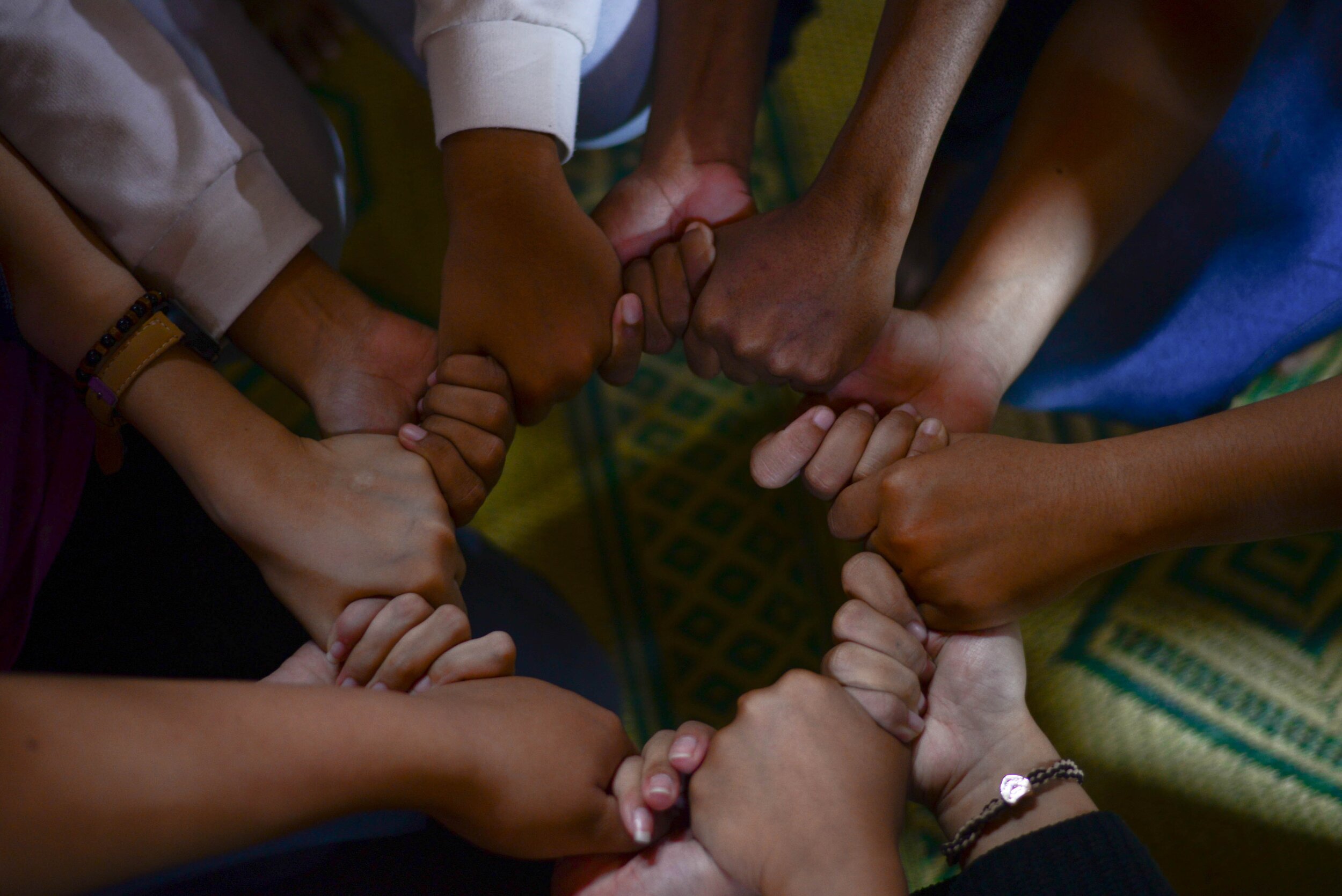
Once we begin to have these conversations, we can penetrate the systems and have the thinking that rules. What’s the old saying, Rome wasn’t built in a day. Are you willing to dedicate yourself to a cause bigger than yourself? The path to change isn’t smooth, if we want change enough and if BLM is not just a hashtag, we will have to do what is required to obtain the goal.
Sarah Adama - Politician
Thought-Provoking Literature Written By Black Authors
Over the last month, the black community have had many heart-breaking, yet historic events affecting everyone. One of the main things would be the death of George Floyd, who was brutally murdered by a police officer in Minneapolis which has sparked global protests and an uproar from the Afro-Caribbean community. One of the most positive things that has come from these events would be the raising of awareness, it has undoubtedly encouraged those outside the black race to educate themselves regarding such issues. Creative Writer Baby-Leah Burnett shares with three though provoking literature worth reading.
Thought-Provoking Literature Written By Black Authors
Words Baby-Leah Burnett
Over the last month, the black community have had many heart-breaking, yet historic events affecting everyone. One of the main things would be the death of George Floyd, who was brutally murdered by a police officer in Minneapolis which has sparked global protests and an uproar from the Afro-Caribbean community. One of the most positive things that has come from these events would be the raising of awareness, it has undoubtedly encouraged those outside the black race to educate themselves regarding such issues. Creative Writer Baby-Leah Burnett shares with us three thought provoking literature worth reading.
As a result of such events, black-history book sales have skyrocketed and classics such as Ibram X. Kendi’s ‘How to Be an Anti-Racist’ and Reni Eddo-Lodges ‘Why I'm no longer talking to white people about race’ have particularly been hard to get a hold of in the U.K and the U.S. However, being a bookworm myself, I have read books a lot less popular but still educational and worth a read during this unprecedented time.
Nelson Mandela: A Long Walk to Freedom (non-fiction)
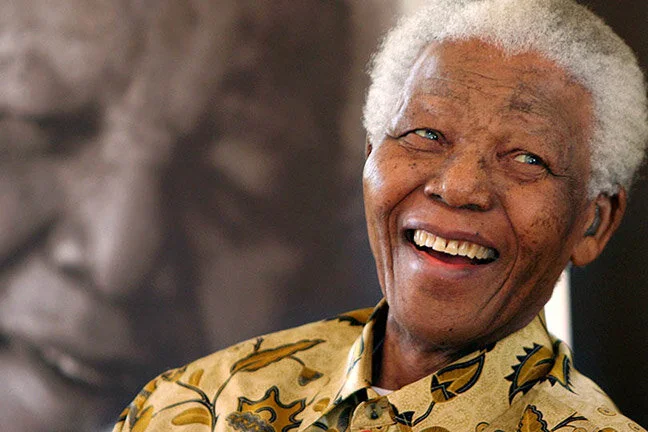
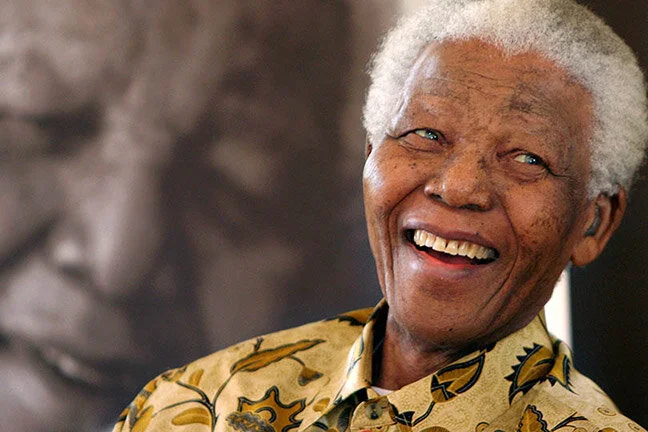
Nelson Mandela’s autobiography ‘A long walk to Freedom’ is by far one of my favourite books that discusses the life and hurdles of the former president of South Africa. Reading this book with a critical mindset allows it to be one of the most insightful reads. It allows you to learn more about Mandela's traditional upbringing in the Thembu tribe, to his involvement in the African National Congress (ANC) all the way through to his successful presidency campaign and appointing office as President of South Africa in 1994. One of the most relevant parts of the book would be the protests by the Indians that Mandela endured and described as a “Model” for the type of protests those in the youth league were calling for. It's interesting to see the paralells through history in comparison to the protests from then to now, he described how “for two years people suspended their lives... no fewer than 2000 volunteers went to jail”. People were truly willing to surrender their whole lives for equality. When we acknowledge how long this fight has been going on for, it's agonising. However, reading something that is written from the view of the first black president of South Africa is satisfying as it highlights that there has been some progress along the course of history. If we keep pushing through and begin to speak the language of those in higher positions and strive to sit around the tables of true decision makers, we will be able to have more of an impact on the change of our society.

Malorie Blackman: Noughts and Crosses (fiction)
Noughts and Crosses was my favourite book growing up, especially being from dual heritage, this book really made me consider what life would be like if the roles were reversed. Malorie Blackman crafted a captivating story between 2 star-crossed lovers, Sephy (a Cross) and Callum (a Nought) whose relationship was affected by prejudice. The catch is, in this story, those who are “dark-skinned” were the ruling class in comparison to the “colourless” who were deemed as the lower-class. It was interesting to see the alternative universe and how the world may operate if it was the other way round. Although, today we are “free” as black people we are still not equal... but reading this book truly provokes you to think; what if black people were the ruling class? How would we operate in that position? This is the beauty in fiction novels, it allows you to live in a different world temporarily and stories like this come alive on the page when as a black community we are living in a problem-society.
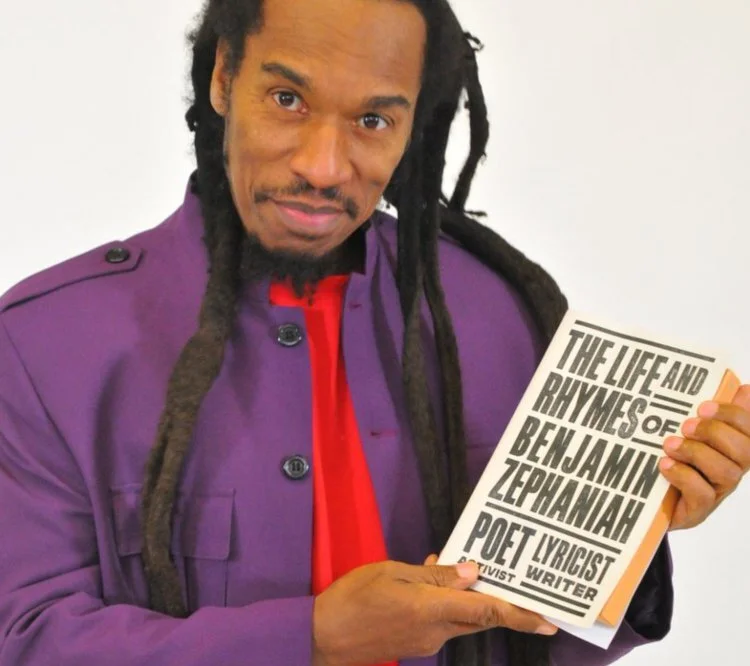
Benjamen Zephaniah - The Race Industry (poem)
Lastly this isn't a book, but I couldn’t leave it off my list of things to read that really make you think. If you have not heard about Benjamin Zephaniah, he is Black British-Rastafarian who crafts incredible poems about deep issues. Benjamin Zephaniah wrote one of my favourite poems called “The Race Industry'' which touches on how white people benefit off the suffering of black people. One of my favourite lines being “...the coconuts have got the jobs''. From that one line you could interpret so much about the system and that’s how the poem begins, talking about the coconuts and the jobs. The reason why I love poetry so much is because you can gain so much from them, your own original thoughts alongside the author's emotion. The Race Industry has made the list for one of the most thought-provoking literature to read during lockdown. I recommend listening to his poems as he reads them out-loud to hear the raw emotion behind the words in his poetry.
Baby-Leah Burnett - Freelance Writer

Five Great Events You Can Host in Your Garden
Since the hit of COVID-19 we have all been restricted to staying at home and this has made the use of gardens more favourable. However, now lockdown has been eased it doesn’t mean we are completely out of the woods yet. Freelance Events Coordinator Nothando Mpala shares a few amazing event ideas that we can do in our gardens whilst maintaining social distancing rules.
Five Great Events You Can Host in Your Garden
Words Nothando Mpala
Since the hit of COVID-19 we have all been restricted to staying at home and this has made the use of gardens more favourable. However, now lockdown has been eased it doesn’t mean we are completely out of the woods yet. Freelance Events Coordinator Nothando Mpala shares a few amazing event ideas that we can do in our gardens whilst maintaining social distancing rules.

ShutterstockHere are five great mini events you can host in your gardens whilst maintaining social distancing rules.
1. Mini Music Festival
A lot of the major festivals have either been cancelled or postponed. But all is not lost as such events as the Cambridge Rock Festival, Glastonbury’s Shangri-La and many more are set to go online at the end of June or early July. Why not have your own festival in your back garden? All you need is speakers, some of your close friends (maximum six) coupled with your favourite drinks and you can recreate the festival experience.

Shutterstock2. Painting And Mocktails
Express your creativity as you sip on a fruity mocktails, this is an event you can host with a couple of friends in your garden or online with friends and people you have never met before. You can create a flyer using canva with a hashtag on your social media page for all your attendees to follow. You will need art supplies, a picture which you would like to paint, your mocktail and a stand for your phone so that you can interact with your audience online with ease.

Shuttestock3. Dance Workout Party
Health and wellbeing is super important in this season of COVID-19. Although fitness isn’t always easy it doesn’t mean that it must be boring. Research shows that dancing is a great way of reducing stress and boosting your mood. This is an activity you can do with your family, friends physically or online. 305 live, Obe Fitness, Jazzercise and the Sculpt Society and some amazing cardio-based dance fitness classes you can enjoy in the sun. Be sure to have your water nearby!

Shutterstock4. Royal Ascot Tea Party Experience
Even though the Royal Ascot event has been cancelled the races with still be taking place and it will be broadcasted online. Luckily, this means that you can still attend the Royal Ascot in the comfort of your garden. A tea party whilst watching the race is a great way to reinvent the experience. Make sure you have family members or friends that are committed to dressing up and bringing their best bets forward.

Shutterstock5. BBQ With Friends
Grilled meat can always put a smile on anyone's face, so why not have a BBQ since we have been having such great weather? This can be done in a simple way. All you will need is a BBQ stand, some food and some drinks then you are ready to go. To make it more interesting you can add some games that your attendees can play such as heads up, general knowledge quizes or tug of war. Although, the global pandemic is not completely over. There are still many ways you can make the most of your summer with the small communities you have around you.

ShutterstockNothando Mpala - Freelance Events Coordinator

Is It Racism or Philosophy?
In 2020 we witness another outbreak of ‘Black Lives Matter’ protests. The question we should now be asking ourselves is; are the reactions based on racial prejudice or a philosophical mindsets?
Is It Racism or Philosophy?
Words Hannah George
In 2020 we witness another outbreak of ‘Black Lives Matter’ protests. The question we should now be asking ourselves are; are the reactions based on racial prejudice or a philosophical mindset?

ShutterstockThis isn't the first time in history that the black community has suffered the loss of black lives. With the current lockdown, people have time to spare with little commitments or responsibilities. Therefore, people are going to protest much harder and longer than before.
In the attempt to show that the black community have become more unified they have instead revealed lingering grudges of oppression. The complex national identity of a black person is complicated as a result of colonialism resulting in the production of unprecedented identities. It has been pretty rigid for the ‘black’ culture because there is still an idea of being black.
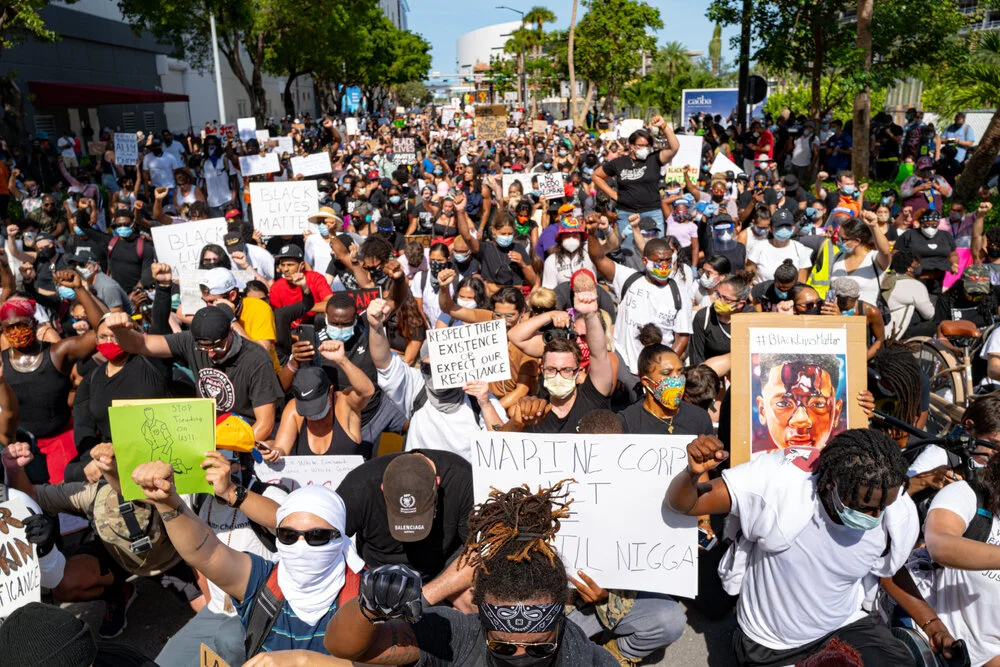
ShutterstockThe undercurrents of neo-colonialism show in black communities today, a great example is the BAME initiative. By trying to show that they are equal they are ‘othering’ them. The fact that they are the ‘other’ does not mean they are the lesser rather it helps them to stand out more. It allows them make a more immediate impression. Use adversity to create something unique.
Supporting black businesses as a result of the protests is not an impressive response because when young people were struggling and dying on the streets before the ‘Black Lives Matter’ protests were brought to a global platform, there was very little attention to the black community. This is not to condemn any race but to acknowledge that strengthening the black community has always been a prevalent topic with little recognition.

ShutterstockThinkers will always rule over doers. The issue right now is that the doers (protesters) are not stopping to think for themselves. Thinking will allow you to strategise and deliberate new ideas. There's a thin line between worrying and thinking. If you worry too much you are more likely to act irrational and illogical. Your thinking will usually start where your parents or guardians stopped feeling. The black community should not uphold their ancestors feelings but rather show how far they have come.
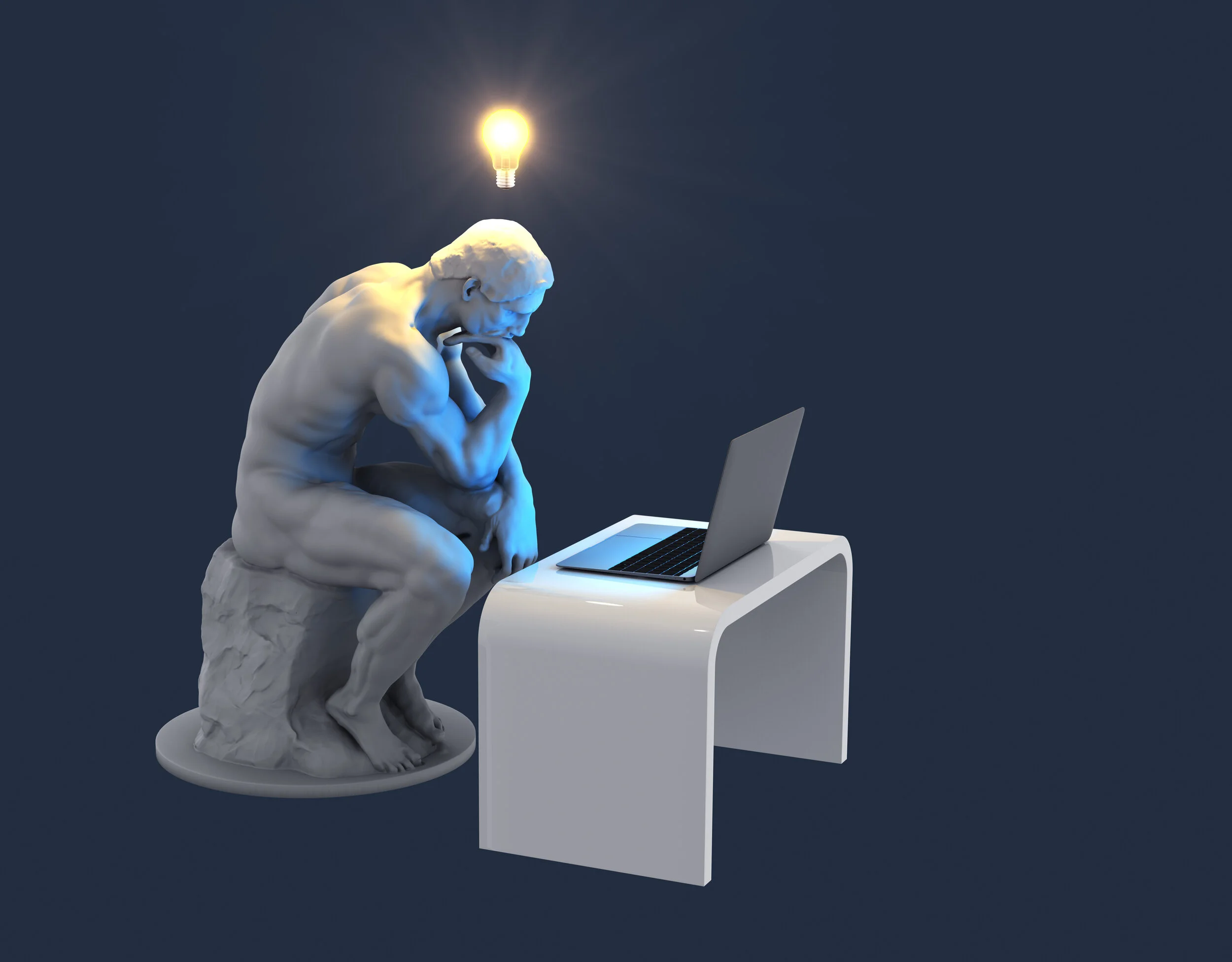
ShutterstockThe Greeks continue to have influence in the world because of their philosophy, because they dared to question traditional conventions and to challenge the prejudices of their age. Emotional and irrational pride is stopping the black community from seeing the logic and progression that they have made themselves.
A few traits that define black culture are based upon R&B, rap stories or crime. There is more than just those stereotypes. However, it will only be shown if the black community moves forward. Using racism should not be an excuse anymore. It will be more impactful to not talk about the barriers but to break them.

ShutterstockThe frontline of battle is in your homes not on the streets first. The common saying that your home is where your heart is, suggests that if all that lies within the hearts of the black community is hatred and distress they need to grasp and cling on to the idea that your current location does not determine your future destination. I believe the best thing to do is to love others by creating a future they can be a part of.
If the black community is going to talk about black history it would be worthwhile understanding the failures of the past so that improvements can be made for the future. History repeating itself does not mean that it is always successful. Now ask yourself the question again - is the issue racism or philosophy?
Hannah George - WOTC Online Editor
Three New Ways Women Can Learn Economics Without Changing Their Usual Schedule
A financial crisis is well and truly upon us due to COVID-19. Although the predictions about what the world’s future economic landscape will look like isn’t certain, the effects on the economy, regardless of how bad it may look now, will be the world’s next popular topic of discussion. Think about how beneficial it would be if women across different industries began educating themselves ahead of time about the economy, to learn how the economy is doing during the pandemic and how the crisis will change everyday work and business in a fun new way. Vamessa Osinlaru gives us three great ways women can learn economics without much interruption to their usual schedule.
Three New Ways Women Can Learn Economics Without Changing Their Usual Schedule
Words Vanessa Osinlaru
A financial crisis is well and truly upon us due to COVID-19. Although the predictions about what the world’s future economic landscape will look like isn’t certain, the effects on the economy, regardless of how bad it may look now, will be the world’s next popular topic of discussion. Think about how beneficial it would be if women across different industries began educating themselves ahead of time about the economy, to learn how the economy is doing during the pandemic and how the crisis will change everyday work and business in a fun new way. Vanessa Osinlaru gives us three great ways women can learn economics without much interruption to their usual schedule.
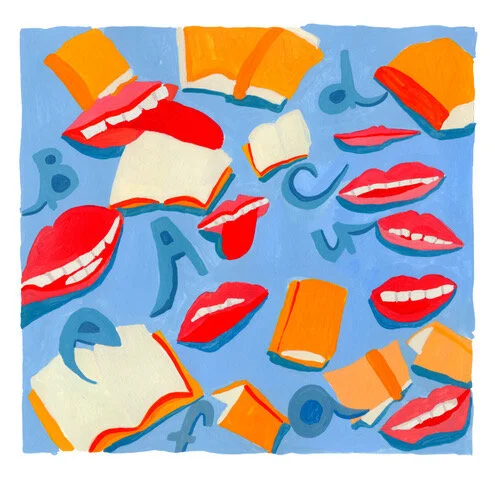
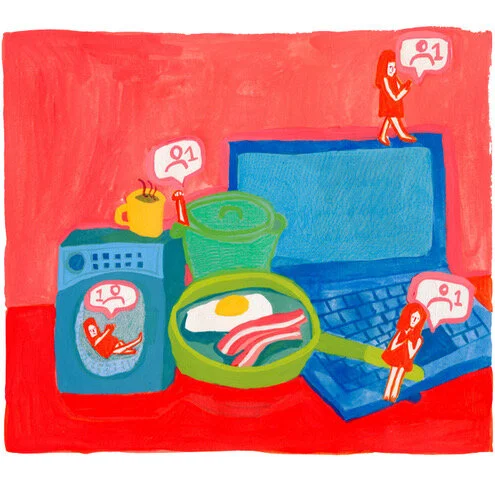
@lets_umm_design behance.net/ulrikemaraisThink about how beneficial it would be if women across different industries began educating themselves ahead of time about the economy, to learn how the economy is doing during the pandemic and how the crisis will change everyday work and business in a fun new way. Many people view economics as boring. Here are three new ways women can learn economics without changing their usual schedule.
1. Follow new accounts on all your social platforms
International newspapers have begun to use their social media to share most of their stories. Social media platforms such Instagram, Twitter and LinkedIn have given opportunities for newspapers such as The Economist, The Financial Times and Barrons the ability to post snippets of stories regularly, giving their followers who scroll on their feed daily a chance to learn something new - unintentionally every time they open their socials. Most women genuinely don't have the time to collect a huge newspaper, sit down, and read it everyday. This is a new easy way to frequently stay informed without changing normal routines.
@lets_umm_design behance.net/ulrikemarais2. Audio books
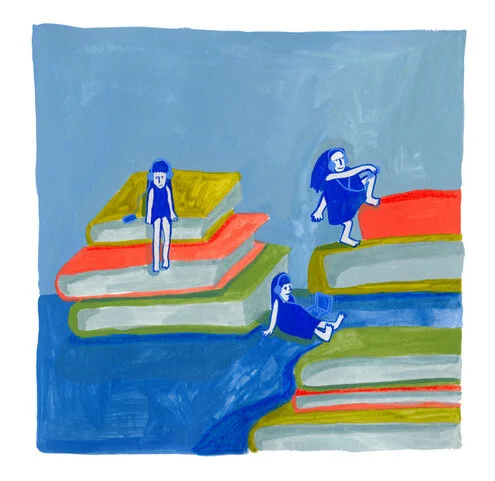
Most people are advised to read books when they are looking for ways to learn finance or economics. Books are packed with knowledge, experience and different perspectives. Reading something each day can improve your focus, induce a relaxing state of mind and stimulate your day. However, we must admit that reading books can be exhausting and time consuming. Audiobooks are a perfect new way to save time and learn something whilst doing other things. You can listen to audiobooks in the car or whilst making lunch for the kids. They are soaring in popularity and finance audiobooks are becoming increasingly available on well known book selling companies such as Amazon.
@lets_umm_design behance.net/ulrikemarais3. Free online course
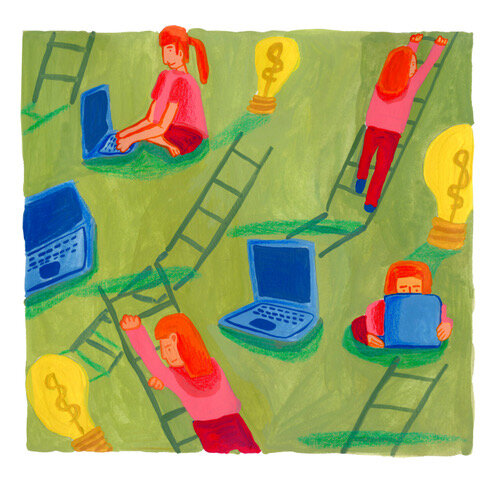
If you want to learn economics from the very scratch, it is important you start with the basics. Online courses deliver a mix of simple teachings, assessments and interactive activities. The courses allow you to do it in your own comfortable learning environment and time. There are almost millions of people taking free online courses giving them a different experience to the traditional classroom environment and information someone else would pay thousands for.
@lets_umm_design behance.net/ulrikemaraisWe are in exciting times and the state of the global economy is about to change forever and it’s an honour to witness it. There’s no better time to take a step ahead and get to grips with the world's next biggest topic - our economy.
Vanessa Osinlaru - Economics Graduate

The Forgotten Heroes
The world of education has experienced many turbulences during the lockdown which has resulted in many educators feeling just as unsettled as their students. Several questions have arisen as a result of the changes. Am I doing enough? How do I increase engagement? Why am I so bored? What are live lessons? What am I doing? Maths Specialist Lara Akinjobi unfolds the truth of why educators are truly heroes and how their well-being is essential during these unprecedented times.
The Forgotten Heroes
Words Lara Akinjobi
The world of education has experienced many turbulences during the lockdown which has resulted in many educators feeling just as unsettled as their students. Several questions have arisen as a result of the changes. Am I doing enough? How do I increase engagement? Why am I so bored? What are live lessons? What am I doing? Maths Specialist Lara Akinjobi unfolds the truth of why educators are truly heroes and how their well-being is essential during these unprecedented times.

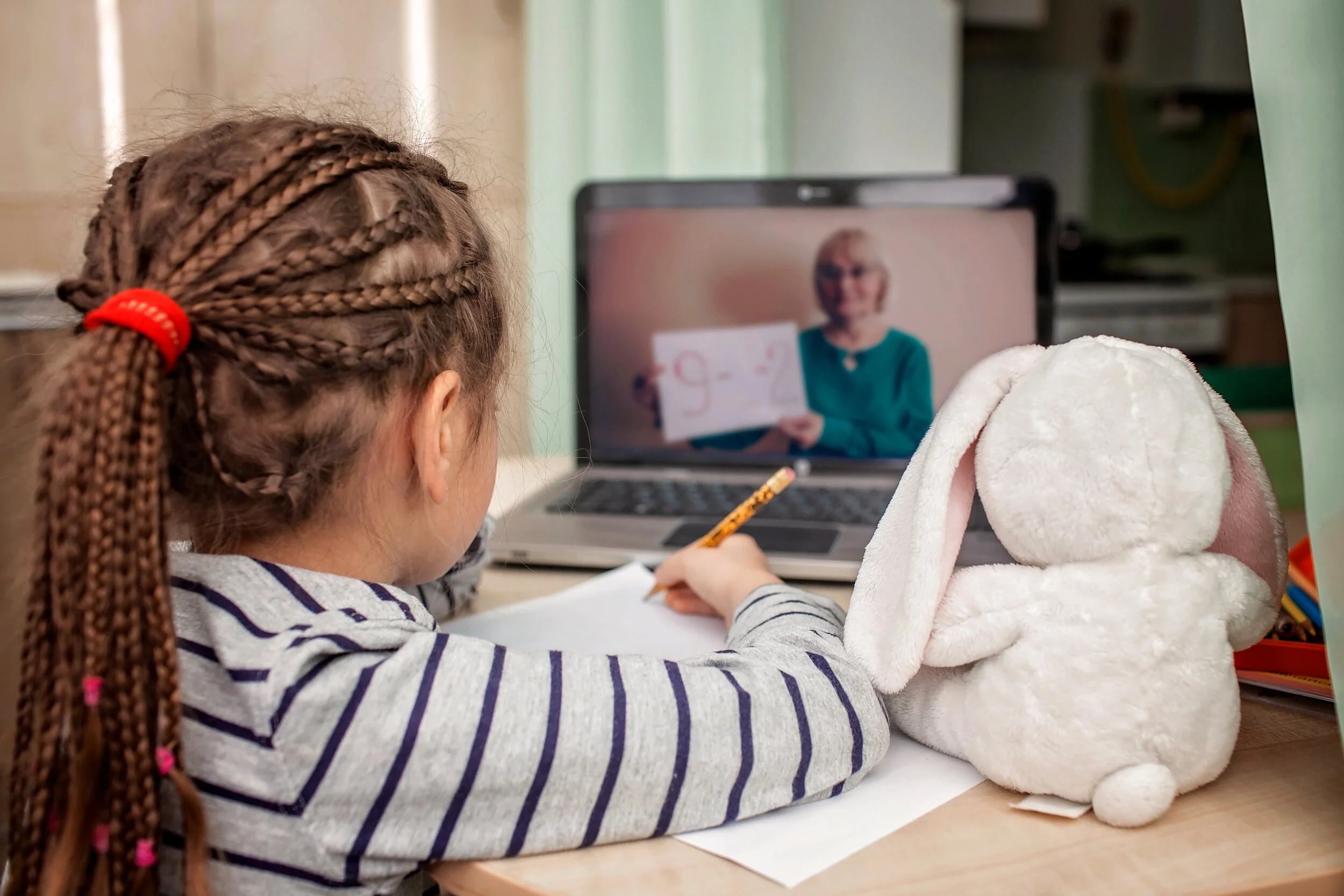
ShutterstockThe majority of schools are still open to vulnerable pupils and the children of key workers. The students have constant access to us as teachers and therefore we are in constant communication with the household of our students. We are providing pupils with quality education online. Have you ever had a message at 21:30pm asking for help?
I emphatically want to share with you all that as educators we are all in the same boat. Let’s take a moment to think of how we would reassure a student. Treat yourself with the same love and kindness. As an educator, there is always an endless to-do list; calling guardians, uploading work, preparing for live lessons, marking and let us not forget squeezing in lunch. There is a need to be on top of it all and have perfect control of everything.
It is essential that educators take a break. Up to 13% of a child’s waking hours are spent in education and thus our well-being is imperative. How are you coping? No really, how are you? Are you nourishing your mental health as you are your physical body? We should endeavour to carve out some time for ourselves daily.
ShutterstockThese are the five pillars of well-being all educators should focus on:
Connect with people and invest in developing connections with your support system.
Be active because we have access to unlimited exercise! Let’s get the adrenaline and cortisol pumping in our system to elevate our mood and naturally de-stress our body.
Take notice of the beauty in this ever changing world and reflect on that which truly matters to you.
Keep learning, be it a new skill or rekindling an old interest. The Open University currently has a catalogue of free courses, why not set a challenge and enjoy the process to success?
Give to the community and those around you. Let us look outward to those around which is intrinsically rewarding. Can I smile more? Can I check up on someone? Can I buy a bagel for my neighbour? This will support us in creating deeper connections and building a support system.

ShutterstockRemember you are the light of education. Your willingness to teach day in and day out in the midst of chaos are uplifting many households. Your support to pupils and families does not go unnoticed. You are a superhero!
Lara Akinjobi - Maths Specialist
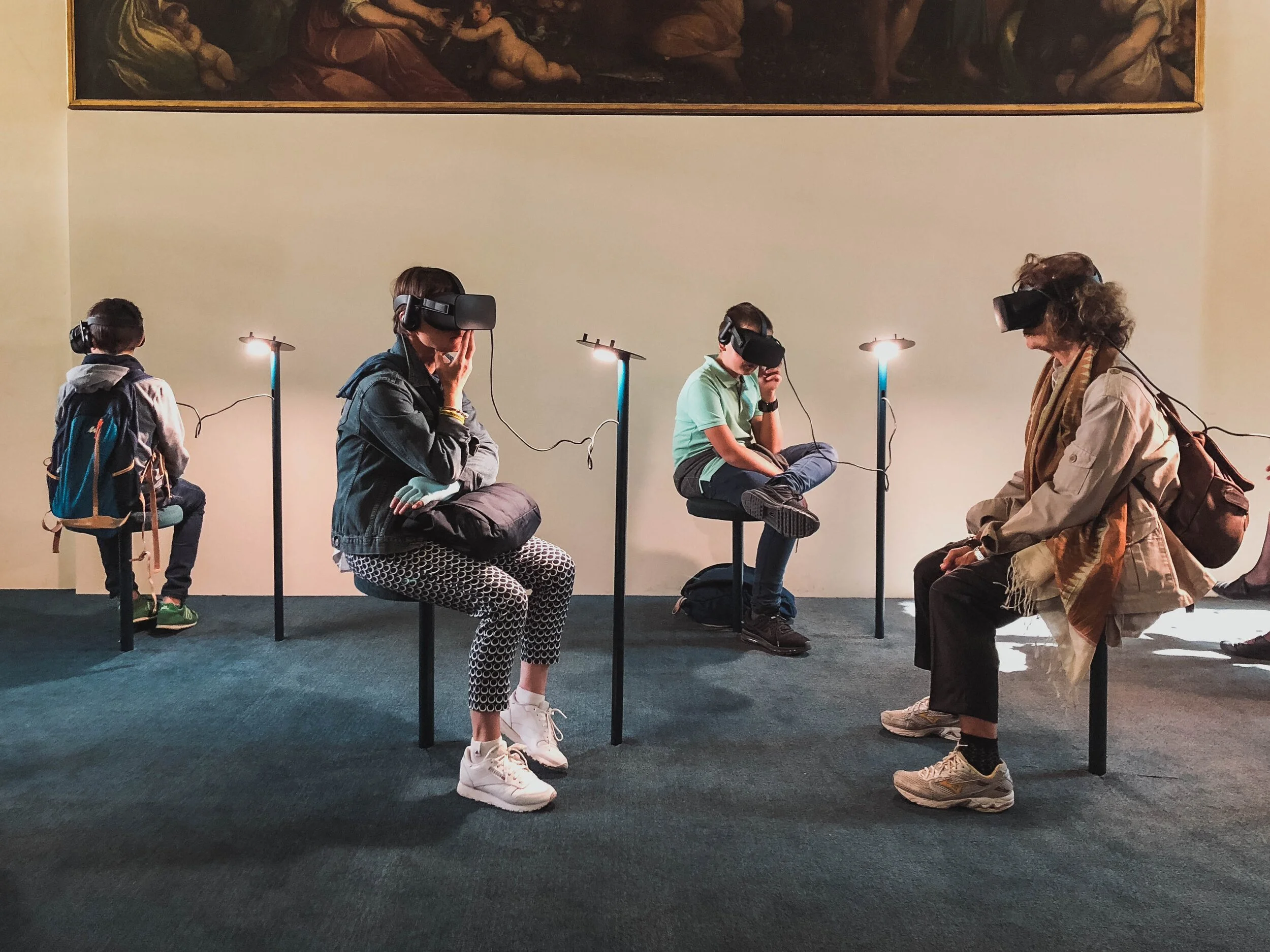
Is Going Virtual a Wakeup Call for the Events Industry?
It's no secret that COVID-19 has certainly put a hold to many major events that were meant to take place this year locally and internationally. Events have either been postponed until 2021 or completely cancelled altogether. Freelance Events Coordinator, Nothando Mpala shares with us why going virtual may be vital for the events industry to stay relevant.
Is Going Virtual a Wakeup Call for the Events Industry?
Words Nothando Mpala
It's no secret that COVID-19 has certainly put a hold to many major events that were meant to take place this year locally and internationally. Events have either been postponed until 2021 or completely cancelled altogether. Freelance Events Coordinator, Nothando Mpala shares with us why going virtual may be vital for the events industry to stay relevant.
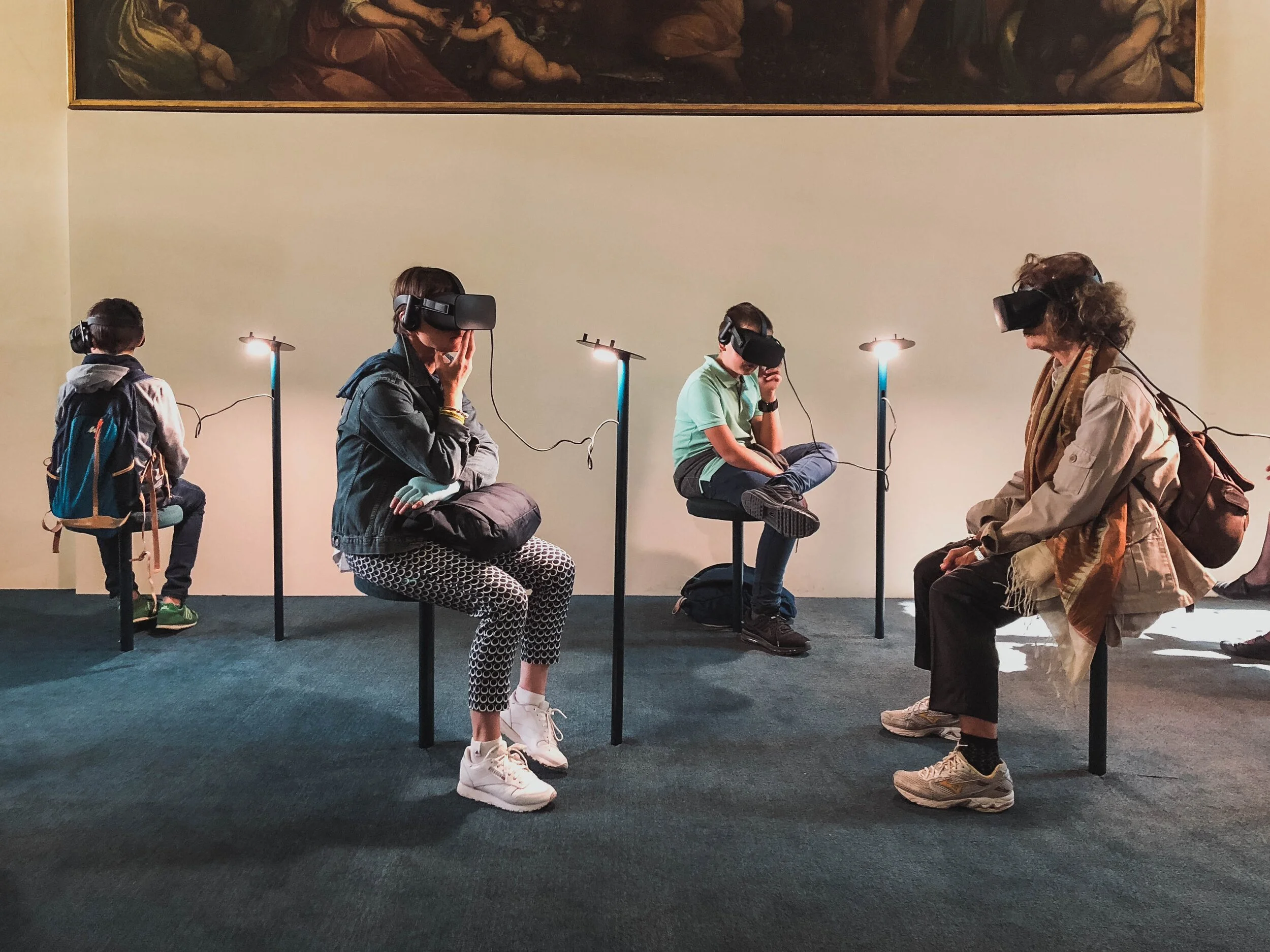
One thing is clear, it has been a challenging time for the events industry. Technology has unquestionably provided a great alternative in the events industry as well as for the general economy. There is no doubt that virtual events were rising in popularity this year. However, no one would have expected that it would take COVID-19 to fasten the virtual culture.
For the events industry, numerous businesses have been forced to invest in upgrading their technology capabilities to enhance the quality of their online event experience. It was reported in AIM Group most recent survey that 80% of corporate sponsors are interested in investing in virtual events. Conference calls and video calling platforms have become the best way for companies to interact with different audiences such as employees internally along with their customers and external stakeholders.

Will virtual events be the only way to do events post COVID? Probably not! However, virtual events have undeniably offered its different audiences a sense of community which is significantly more valuable in these tough times. COVID-19 is similar to the industrial revolution which encouraged more meetings and events, virtual events has provided a solution for online meetings and events. This has also given all people the right to become their own event planners as hosting your own virtual event is pretty much accessible to all.
It is indisputable that virtual events have taken us back to the origin of events which was to promote peace and friendship by connecting people and communities without solely focusing on profit. Technology has given the events industry the opportunity to work more collaboratively with other companies whilst still maintaining interaction with their audiences worldwide without anyone having to travel.
Bazaar's global Fashion Director Carine Roitfeld partnered up with amfAR for fashion unites to deliver the first ever self-filmed virtual fashion show with an all star line-up that consist of such names as Kim Kardashian west Carolyn Murphy, Hailey Bieber, Winnie Harlow, Stella Maxwell, Ashley Graham and many more. This fashion show aimed to raise awareness for the research efforts led by the amfAR fund to fight COVID19, as well as offering their audience with inspiring and exciting performance for those staying at home; reminds us of the power of virtual events and maintaining social distancing.

There are countless virtual events to lookout from EDC virtual rave-a-thon, the Junction 2 Present J2v (an online 3D festival of house and techno artists across three unique stages) to London tech week will be virtual this year via registration. Virtual events have given the event industry an opportunity to continuously engage with a wider range of audiences locally and internationally as there is no limitation to numbers when it comes to hosting an event online.
Virtual events have provided people with a sense of support and activity for those stuck in their homes with nowhere to go. After COVID-19 virtual and hybrid events will have a huge contribution to lowering our carbon footprint and sustainability in the events industry. It is evident that virtual events will not only become more normal for hosting events in future but also a great way of developing communities online for people with the same interests.
Nothando Mpala - Freelance Events Coordinator

Looking After Your Skin in the Spring Sun
Winter is officially over and the sun is out, with the sunny days ahead of us, looking after your skin should be a top priority for everyone. Most people think that sunscreen is only for those that get sunburnt easily however, everyone should be using sunscreen no matter your skin complexion or how long you will be in the sun for.
Looking After Your Skin in the Spring Sun
Words Mary Oladele

Unsplash @vicko-mozaraWinter is officially over and the sun is out, with the sunny days here, looking after your skin should be a top priority for everyone. Most people think that sunscreen is only for those that get sunburnt easily however, everyone should be using sunscreen no matter your skin complexion or how long you will be in the sun for.

ShutterstockA few home truths about the importance of using sunscreen:
It prevents skin discolouration: The regular use of sunscreen helps ensure an even skin tone especially in people who suffer with skin discolouration in their face and neck.
It acts as protection from UV rays: Sunburns are caused by overexposure to UV rays which is basically sun, using sunscreen creates a layer of protection to minimise the penetration of these UV rays to prevent sunburn and damage to your skin such as skin ageing.
It prevents skin Cancer: The lack of sunscreen increases one’s chances of developing aggressive skin cancer such as basal cell carcinoma (BCC), squamous cell carcinoma (SCC) and melanoma due to the continuous damage to the skin layers from UV rays.

ShutterstockNow we understand the importance of using sunscreen, a common topic around the use of sunscreen is, do people with a darker skin tone need to use sunscreen despite the melanin in their skin tone? Although melanin protects people with darker skin tones from cancer by acting as a protective pigment, UV rays darken the melanin in the skin and allows the regeneration of new melanin to be released. It is not enough to protect completely against skin cancer therefore, we are all advised to use sunscreen to achieve the best skin protection and look after our skin.

ShutterstockYou are probably thinking what the best sunscreen to get and what is the difference between SPF15, SPF30 and SPF50. SPF stands for sun protection factor. The numerical figures are the protection measures against UVB rays without being sunburned.
SPF 15 blocks 93% of UVB rays
SPF 30 blocks nearly 97% of UVB rays
SPF 50 blocks approximately 98% of UVB rays

ShutterstockSunscreen such as SPF15 allows you to be in the sun 15 times longer than without protection. There is no sunscreen that can block all the UV rays however, I would recommend using SPF 30 and SPF 50 as they offer the maximum protection. Please remember to re-apply the sunscreen after 2 hours as the protection reduces with time. So whether you’re shopping for SPF products from high end brands or local supermarkets, ensure your sunscreen is applied regularly and contain some form of SPF.
Mary Oladele - Oncology Doctor
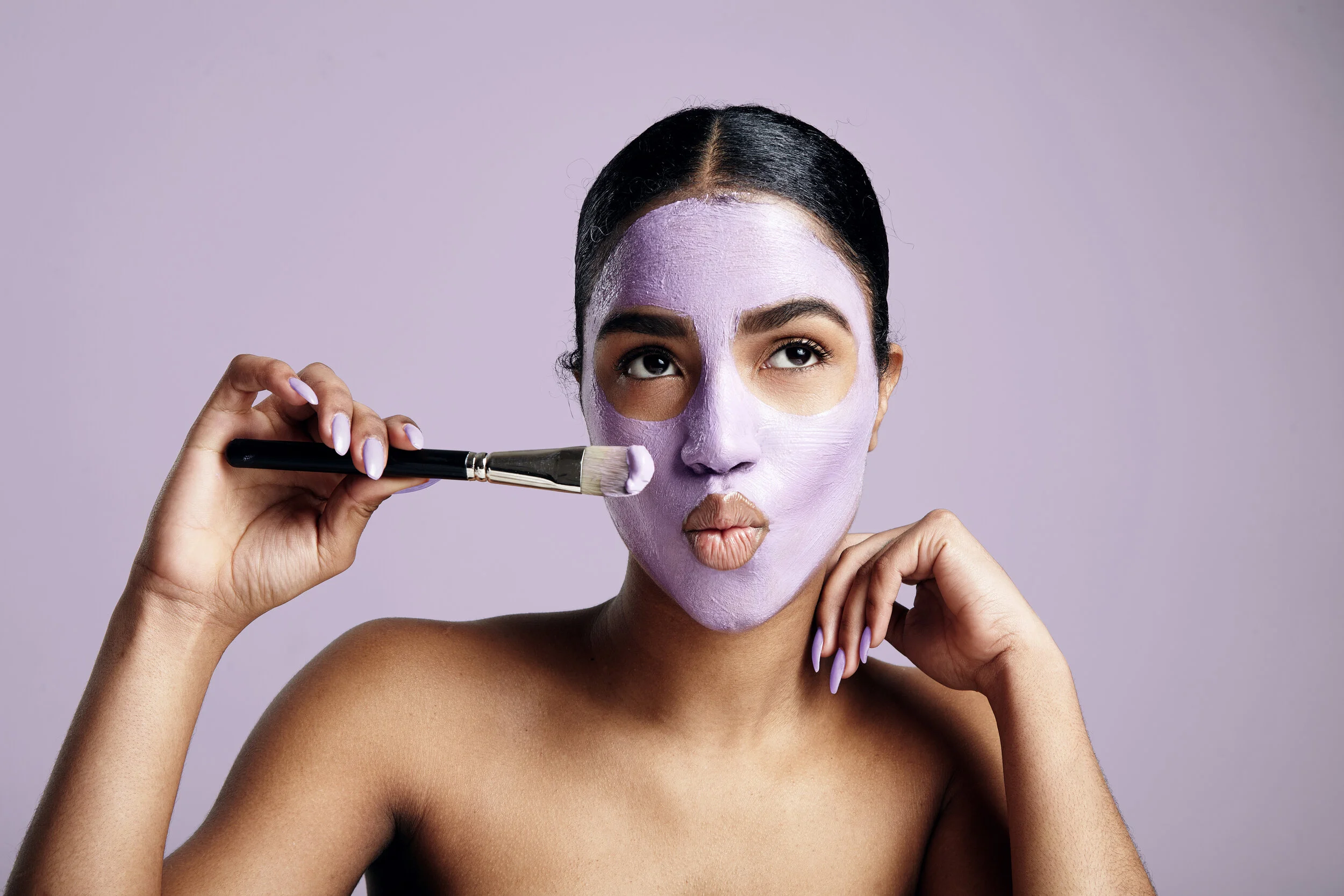
How to Relieve Stress Whilst Staying at Home
The coronavirus pandemic has resulted in many changes in everyone's lives and we have all responded in different ways. Community Pharmacist Ebun Lufadeju gives us the five top tips on how to enjoy the rest of the lockdown stress free.
How to Relieve Stress Whilst Staying at Home
Words Ebun Lufadeju
The coronavirus pandemic has resulted in many changes in everyone's lives and we have all responded in different ways. Community Pharmacist Ebun Lufadeju gives us the five top tips on how to enjoy the rest of the lockdown stress free.
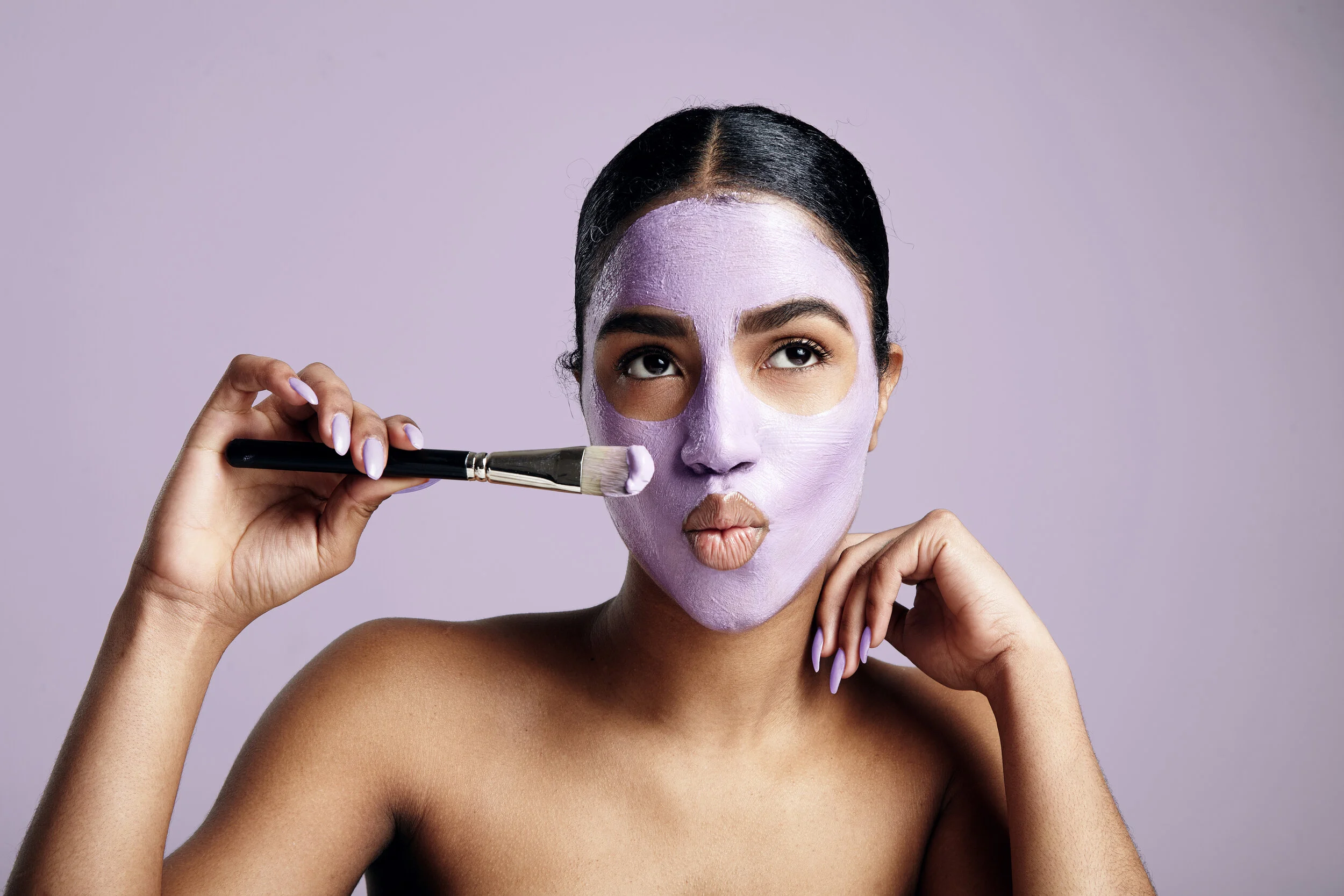
ShutterstockStress is a common factor that affects us all. Many people have been faced with uncertainty about their future. We are being fed with news updates daily and as you know things are ever changing. Our bodies recognise these stressors as ‘threats’.
When we are stressed, it causes the body’s immune system to become reduced, this means that we are more susceptible to infections. When we are stressed, the stress hormone cortisol is released in bulk. Whilst we need this hormone, high amounts suppress our white blood cells and thus lead to the weakened immune system. Stress has a major effect on our health and is linked to the flu, cardiovascular disease, diabetes, asthma and stomach ulcers.
There are other factors that are out of our control that can also cause stress. For many of us, going out to eat or to the spa can help us with stress. However, since we can’t do these things during lockdown, we have to still deal with our stress whilst at home. Everyone is different and so it’s important to find out what works for you, rather than avoiding the situation and allowing it to become worse. Remember, it’s ok to ask for help and that you are definitely not alone.

ShutterstockBelow are 5 tips that will help you to alleviate stress whilst staying at home.
1. Get regular exercise
We have been advised to stay at home. However, government guidelines state that we can go outside for exercise which is beneficial as we can get some fresh air. Even if you want to do exercise indoors, you can! There are plenty of online workout classes taking place on YouTube, Instagram and Zoom. Exercise is great for reducing stress levels as it boosts levels of serotonin in the brain. Increased levels of serotonin lead to a boost in mood and reduced stress levels.

Shutterstock2. Get rid of the junk in your mind
Sometimes we have unnecessary things in our mind. We have to enter each day with a new mind and forget the problems of yesterday's issues. There are many ways to free our minds such as: reading, writing and meditating. Try not to spend all day behind the computer or on your phone/social media. Taking a deep breath can be a way of controlling our inner peace. Meditating for 10 minutes each day will also help to maintain a clear mind.

Shutterstock3. Plan your day and prioritise things
Stress can occur when we feel that we have many things to do and we have not been able to achieve certain goals. Try planning each day and accept if you have not been able to tick off everything on your list. Try keeping a routine, waking up early and going to bed on time. I would advise swapping a five hour Netflix binge for completing some work or reading a new book. Don’t do many things at once, do few things and do them well.

Shutterstock4. Get creative about still treating yourself
So yes we’re in lockdown and we’re unable to go out for a nice meal or go to the spa. However, we can get creative whilst at home. Take time to cook your favourite meal, followed by watching a movie. Playing some calming music whilst having a relaxing bubble bath can be a great substitute for a spa day! Taking a bath or soaking your feet with magnesium can soothe tired muscles and help you to feel more rested.

Unsplash @chad-montano5. Make the necessary diet and lifestyle changes
A diet high in processed foods and sugar can add to our stress levels. It’s important to maintain a healthy and balanced diet during lockdown because it’s easier to binge on biscuits and snacks, but these foods won’t help stress levels go down at all! Try herbal teas as they can make you feel calmer and de-stress. Foods such as tuna, salmon, walnuts and avocados are great because they are high in Omega-3-acids. These foods boost concentration and improve mood. Incorporate food high in vitamin C, such as oranges, grapefruits and strawberries, which are also antioxidants. During stress, Vitamin C disappears from the bloodstream, meaning that it would need to be replaced. Vitamin C helps keep our immune system ticking, so it’s a very important supplement!
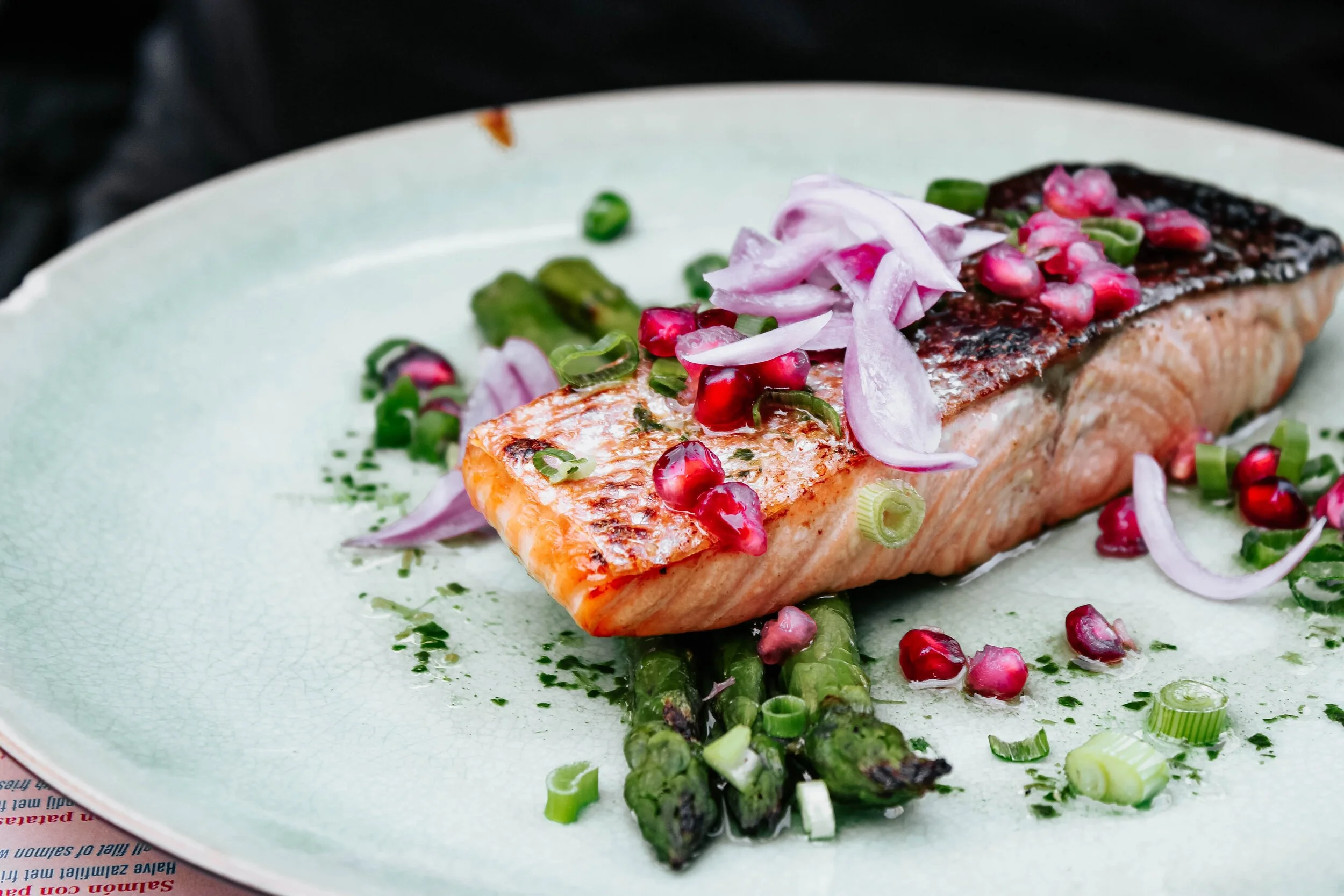
Unsplash @micheile-hendersonWhat do I think?
It is important to understand that no situation is permanent. For example, if you have lost your job because of lockdown, it’s just temporary. It’s not always easy, but do your best to see the positive (even if it’s very little) in every situation. Stress is a normal part of life, although, there are ways which we can cope and deal with it.
Ebun Lufadeju - Community Pharmacist

How to Protect Your Mental Well-being Whilst You are on the Frontline
The COVID-19 pandemic has caused more problems than a cough and a fever. We have seen widespread unrest; more unrest than the world has ever seen. Whilst many people have been able to work from home during this time, we know that millions of us across the country are still working on the frontline. Dr Emma explains how can we deal with anxiety whilst serving the community at work.
How to Protect Your Mental Well-being Whilst You are on the Frontline
Words Dr Emma Amoafo-Mensah
The COVID-19 pandemic has caused more problems than a cough and a fever. We have seen widespread unrest; more unrest than the world has ever seen. Whilst many people have been able to work from home during this time, we know that millions of us across the country are still working on the frontline. Dr Emma explains how can we deal with anxiety whilst serving the community at work.

ShutterstockThe NHS is the UK’s biggest employer, with over 1.4 million employees. Many of these employees have continued working, coming into contact with tens of patients every day. Then we have the rail industry, the retail industry and social care workers. Millions of us are still working and the Thursday evening rounds of applause are not enough to guarantee our mental well-being. Below are three tips to ensure we keep our minds safe and sound during this time.

Shutterstock1. Leave work at work
One of the most tempting things to do after a day at work is to dwell on the things that happened during the day. Maybe there were things you wish you could’ve done better, or there are times you think you put yourself at risk of catching COVID-19. I have always believed it’s good to reflect on your day, but sometimes these thoughts can take over our minds and make it difficult to relax once we get home. I often advise people to allow some time to think about their day, such as the 1 hour commute home after work. Once that allocated time is up, make a conscious effort to focus your mind on things that calm you.

Shutterstock2. Sleep
Adequate sleep is always key, but even more so in this time. Where national pressure and anxiety is high, it’s important to be able to clear your mind and get good quality sleep every night. We should all aim to develop a night-time routine, like the ones our parents spent time to develop with us – a warm drink, a bedtime story and a dark room. Night-time routines should last for 60-90 minutes. Start with a warm, soothing drink such as camomile tea, then proceed to doing something calming and enjoyable that isn’t too mentally stimulating, such as reading a book or having a bath. Following this, you should lie comfortably on your bed, ensuring the room isn’t too hot or too cold. It’s important not to use any screens during this time – this includes your phone! Screens emit blue light, which promotes wakefulness and can make it difficult to fall asleep.

Shutterstock3. Be the positive voice!
More than ever, it is so important to be your sister’s keeper. Focusing on those around you is also therapy for yourself. Why not make up your mind to always say something positive when working in your team? We all need a daily dose of positivity in this time and choosing to take on that responsibility to be the propagator of good news will feed your soul whilst you nourish others at the same time.
Dr Emma Amoafo-Mensah - NHS Doctor

The Women Who Keep Building: Transforming Your Stress into Resilience
Across the construction industry, many of us are now working remotely or not working at all due to furlough, in order to reduce risk to businesses and individuals across the UK. What is your response to the current crisis?
The Women Who Keep Building:Transforming Your Stress into Resilience
Words Barbara Akinkunmi
Across the construction industry, many of us are now working remotely or not working at all due to furlough, in order to reduce risk to businesses and individuals across the UK. What is your response to the current crisis?

ShutterstockOur natural response would be worry and to have anxiety due to the quick change in our working lifestyle and environment. Not to mention the uncertainty of what happens next. As we know, the majority of construction roles depend on active site running. Although the pandemic has formed many of us to be placed on furlough or other government help schemes. However, instead of discouragement, let’s take a different response. Resilience is the intentional approach needed to journey through this crisis.
Resilience is usually seen as your ability to recover quickly from failure or difficulty, but it is actually a measure of how you enter, navigate through and exit a crisis! It is your capacity to continuously re-align your focus whilst balancing the reality of the situation with optimism. Emotional resilience helps us survive with change and manage stress. We all have the ability to develop these core resilience skills and what better time to put those skills into action. The real benefit of working on these skills is that while building our own resilience muscle, we are also inspiring and enabling others who are currently hopeless and disheartened to do the same. There is no better time than now to develop and role model the type of female construction industry leader we can be.

ShutterstockStaying Healthy: Mind & Body
During this crisis, it’s important that we take time to establish positive mental habits that reduce stress. In response to life’s challenging events and experiences, some individuals become overwhelmed whilst others react positively. The good thing is that resilience is a learned pattern of feelings, thoughts, and behaviours. You can bounce back from adversity and hardships, feeling stronger and more capable to cope than ever before. If you are currently struggling during the current crisis with difficult feelings, you don’t need to struggle alone. Offload your mind and speak to someone you can trust. Focus on getting through today one action at a time and do something productive that you usually enjoy. We may be women currently refrained from building the city, but that doesn’t stop or hinder us from continually building ourselves. Use this period to really develop yourself.
For those who are usually positive and resilient, take this period to also be a friend to someone and reach out to them - whether they are your colleagues, friends or family. You can reinforce the support systems around them and get through this period together!

ShutterstockWellbeing Tips During This Time
1. Find a balance routine. Whilst you are at home, make sure that you keep active and maintain a balanced diet as part of your everyday activities. This will help you to break up your day and to maintain your physical health. Eat well and stay hydrated.
2. Add structure to your day! Being at home can easily cause you to become lazy and fluctuate on your sleeping patterns. However, you can maintain a healthy routine by putting structure to your day, whether you are working from home or on furlough. Scheduling will also help you focus as it prevents you from procrastinating. Being out of work does not mean you should lose your discipline towards time management and productivity gained at work.
3. Create a productive working environment. It can be very tempting to work from your bed, however you will be more productive and focused within a structured environment. Working in an uncluttered and relatively calm environment will help you maximise your productivity during these ‘stay at home’ days.
4. Communicate! Do not let isolation stop you from speaking to people. Conversations are a very important factor in maintaining your wellbeing, so occasionally speak to friends, families and even colleagues. Voice out your struggles and anything you're dealing with to someone you trust instead of keeping it in.
Barbara Akinkunmi - Technical Designer

In the Process: Homeowners Edition
As a result of the current COVID-19 pandemic, we saw the Bank of England cut interest rates to the lowest it has ever been at 0.1% in an attempt to hold down the cost of borrowing and promote spending to sustain the economy. It is advantageous to acquire more knowledge about the property market, Louise Gyambibi will clarify and provide guidance of what that means for those of us who have spent weeks and months in the laborious mortgage process.
In the Process: Homeowners Edition
Words Louise Gyambibi
As a result of the current COVID-19 pandemic, we saw the Bank of England cut interest rates to the lowest it has ever been at 0.1% in an attempt to hold down the cost of borrowing and promote spending to sustain the economy. It is advantageous to acquire more knowledge about the property market, Louise Gyambibi will clarify and provide guidance of what that means for those of us who have spent weeks and months in the laborious mortgage process.

UnsplashWhat does it mean for me as I am already in the process of obtaining a mortgage?
It depends on what stage you are in for the home buying process but across the board, you can expect some delays. If your mortgage application has been submitted but you have not yet received an official offer from the bank, due to the lockdown restrictions you may find that the lender is unable to send out a surveyor to value the property. Until a survey has been completed, the lender will be unable to commit to lending you the money for the house, causing some delay to the production of your offer.
Banks do anticipate that these restraints could cause a backlog once the lockdown is relaxed, so they are proactively seeking alternative measures to value properties. We are seeing an increase in banks carrying out Automatic Valuation Model’s (AVM) that are desktop valuations which is an automated computer valuation using property data, recent comparable sales and property listings. As the name suggests, the valuation can be done from a desk; without needing a valuer to physically visit the property.
Ordinarily, lenders are more prone to carry this process out on lower loan to value mortgages, where it is considered lower risk for the bank, as the customer has a larger deposit or percentage of equity in the property. However, a few lenders are relaxing their criteria where possible to accommodate customers with as low as 10% deposit and above.

UnsplashIn instances where lenders are unable to carry out one of these desktop valuations, the progress of the application may be on hold until after the lockdown. Due to the increase of service demand that lenders are facing for mortgage holidays and the general customer queries, many banks have temporarily removed their higher loan to value products for new business to be able to service their existing customers. This means that with many of the high street lenders, you will only be able to initiate the mortgage process if you have a deposit of 20-40% minimum. Again, this does not apply if your mortgage application has already been submitted.
If you do not have a larger deposit resource available, don’t worry, we do anticipate lending to be stabilised and products reintroduced as society resumes normality.
If you have already got an offer from the bank and you are waiting on your solicitors. You may have read in the news that the government is advising people to delay moving house for now, unless you absolutely have to. If you've just got a mortgage offer, that's still going to be valid for the length of time stated on the offer document - usually three or six months, depending on your lender, this should allow plenty of time. If you've exchanged contracts or are nearing the date of offer expiry, all lenders are now working to find ways to offer a three month extension, so that you can complete your move later.
If your financial circumstances change during this time this could impact your offer, but your mortgage broker can work with you to help better understand your specific situation and what this means with your chosen lender. You can read more about all this here; www.gov.uk/coronavirus.
Louise Gyambibi - Mortgage Case Manager
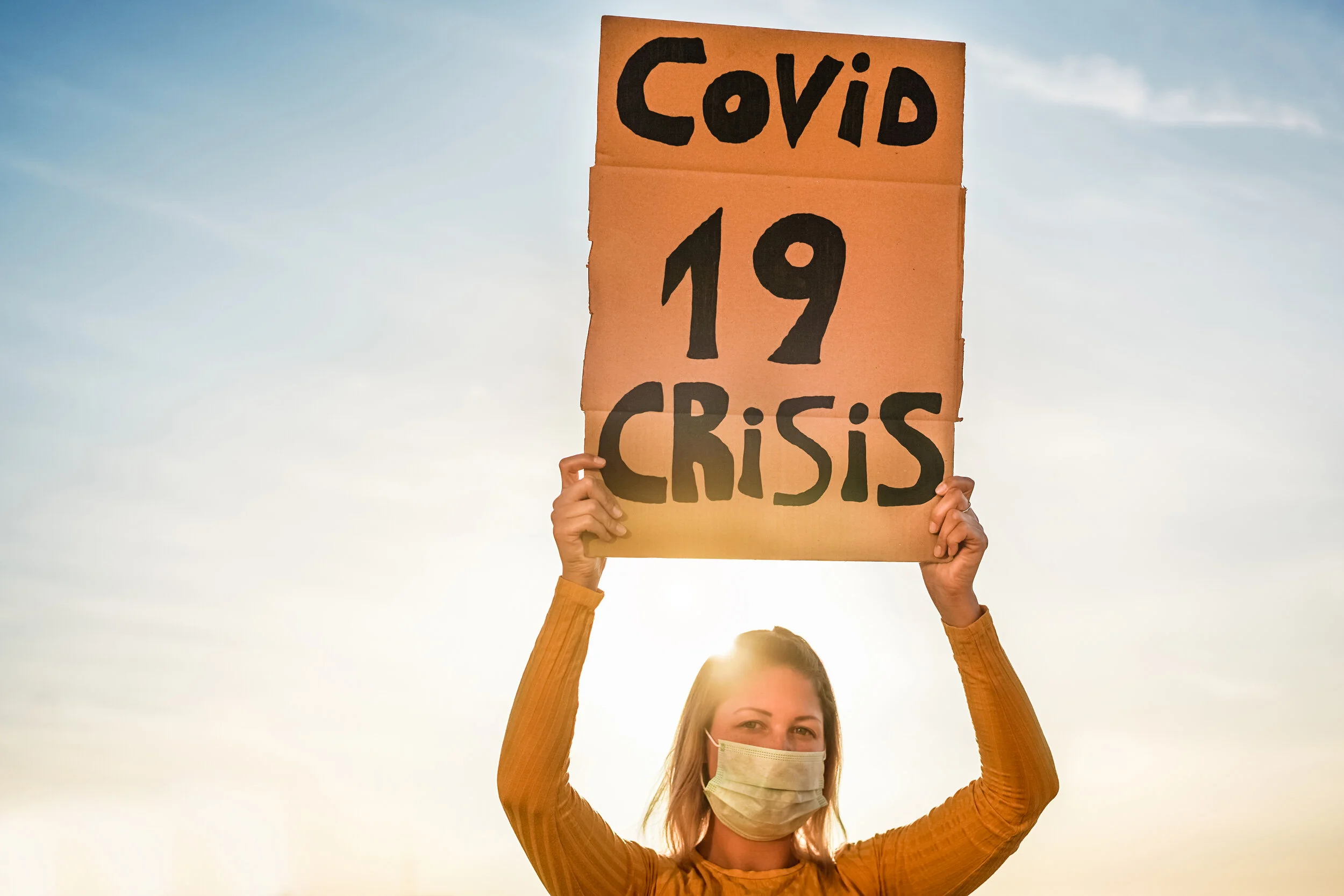
COVID-19: A Global Political Crisis? - A Look at the Global Responses to the Pandemic
Confirmed COVID-19 cases have topped 2 million globally. Even though we are in an era that has the benefit of modern medicine and past experiences, the virus outbreak has caused panic and confusion in the most unlikely of countries. The world has a highly interconnected global economy, yet there are fundamental weaknesses in the systems – particularly health security. Is the novel coronavirus a political problem?
COVID-19: A Global Political Crisis? - A Look at the Global Responses to the Pandemic
Words Sarah Adama
Confirmed COVID-19 cases have topped 2 million globally. Even though we are in an era that has the benefit of modern medicine and past experiences, the virus outbreak has caused panic and confusion in the most unlikely of countries. The world has a highly interconnected global economy, yet there are fundamental weaknesses in the systems – particularly health security. Is the novel coronavirus a political problem?
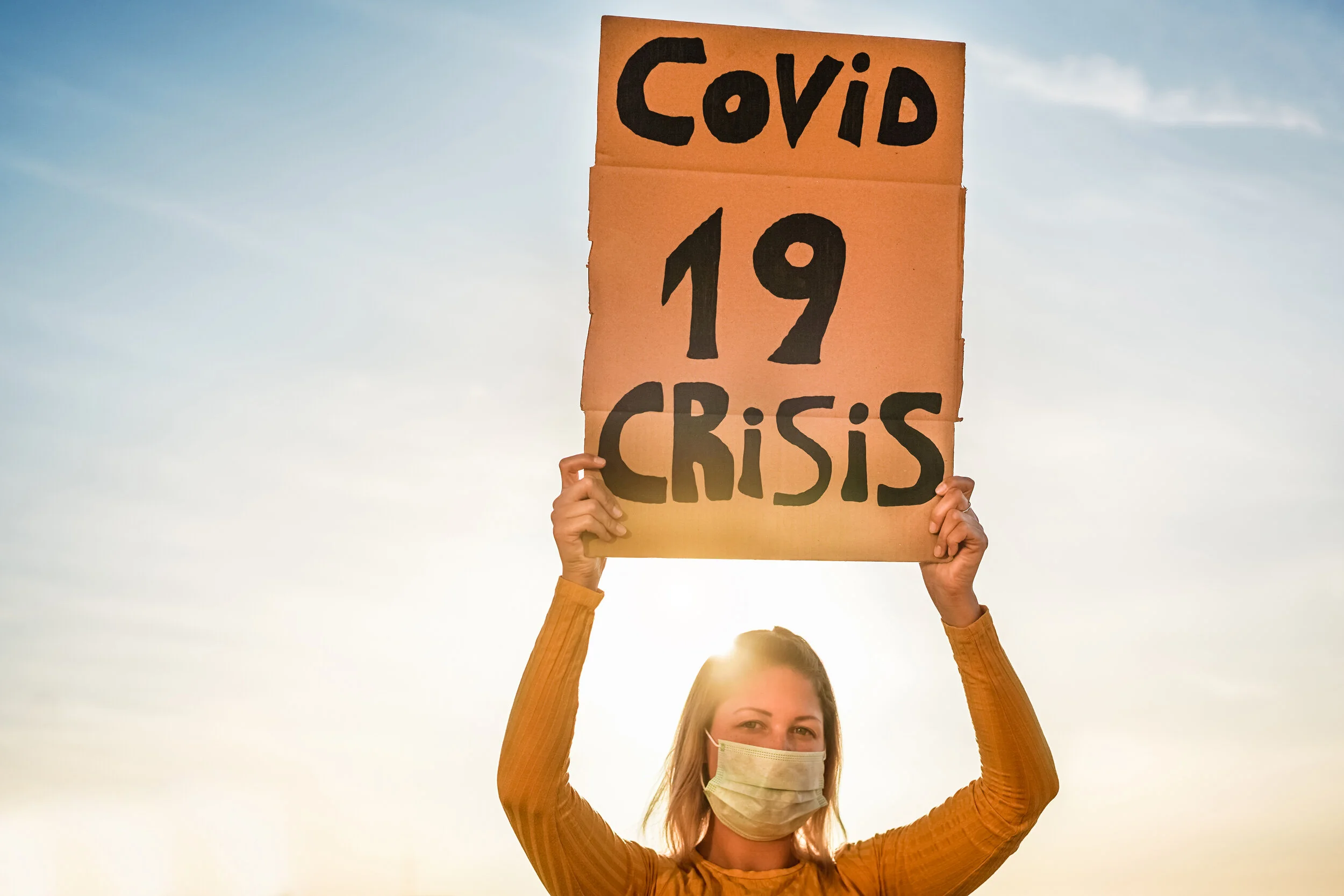
ShutterstockUnpreparedness
Firstly, we need to address what the outbreak has exposed about the world's most established systems – they weren't prepared. Global preparedness for epidemics and pandemics comes to an average score in the GHS index at 40.2 out of 100. The pandemic has exposed weakness in global governance - even world ‘superpowers’ could not prove efficient in the area of health care. Most countries lack the basic health care capacities required to provide an informed pandemic response.
Watching as the world copes with the virus, we are able to clearly see how underprepared a country like America was in comparison to other countries with universal health care systems. With 678,210 cases, 34,641 deaths and 57,844 recoveries, just what made the US uniquely vulnerable to the virus? The single most unique problem of the American healthcare system - its costs combined with low medical capacity. The virus has exposed inequalities and inefficiencies in the health care system, with lack of access to basic health care at the starting point. America has a population of 329M (2020) and over 27M of its citizens are uninsured, meaning they face high costs with medical bills. Many Americans are likely to avoid testing or initial check ups and virus diagnosis would require hospitalisation. It has been reported that some Americans have been billed nearly $4,000 from a government-imposed quarantine. No wonder why Americans put off seeking health care, even for serious conditions - to avoid the high medical debt.
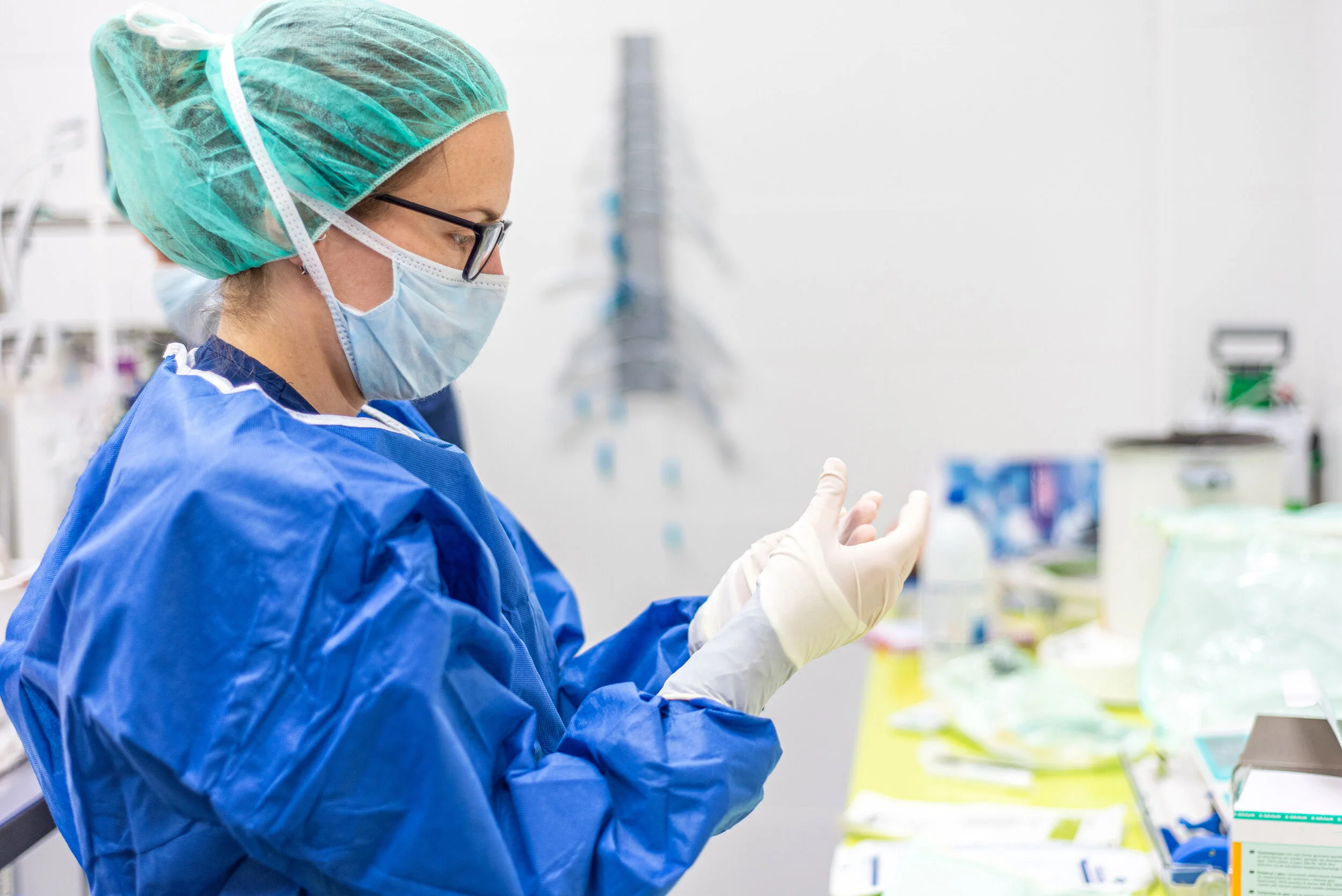
ShutterstockSo how can the delayed response be explained?
The U.S had a slow start to testing, which amplified the problems they would later face. There have been manufacturing problems with test kits rolled out and also a delay in the approval of commercial tests, resulting in a slower response and a greater risk of the virus spreading rapidly.
America’s health care infrastructure is built on a payer system and low capacity shortages come at a disadvantage in times when it’s most needed. America has fewer hospital beds and fewer doctors (2.6 per 1000 people) per capita than other developed countries. In the beginning stages of the virus, most ICU beds were already filled. These factors – structural problems combined with a slow start to testing, has put the U.S behind its peers and countries with universal health care systems, are still generally more prepared for a pandemic. A health insurance system financed by taxes that is managed and run by one entity, such as a government, providing essential health care to all citizens. It is referred to as single payer because it is the one entity (the government) that pays the costs (a "single payer”’)
The U.K strategy to pandemic threat
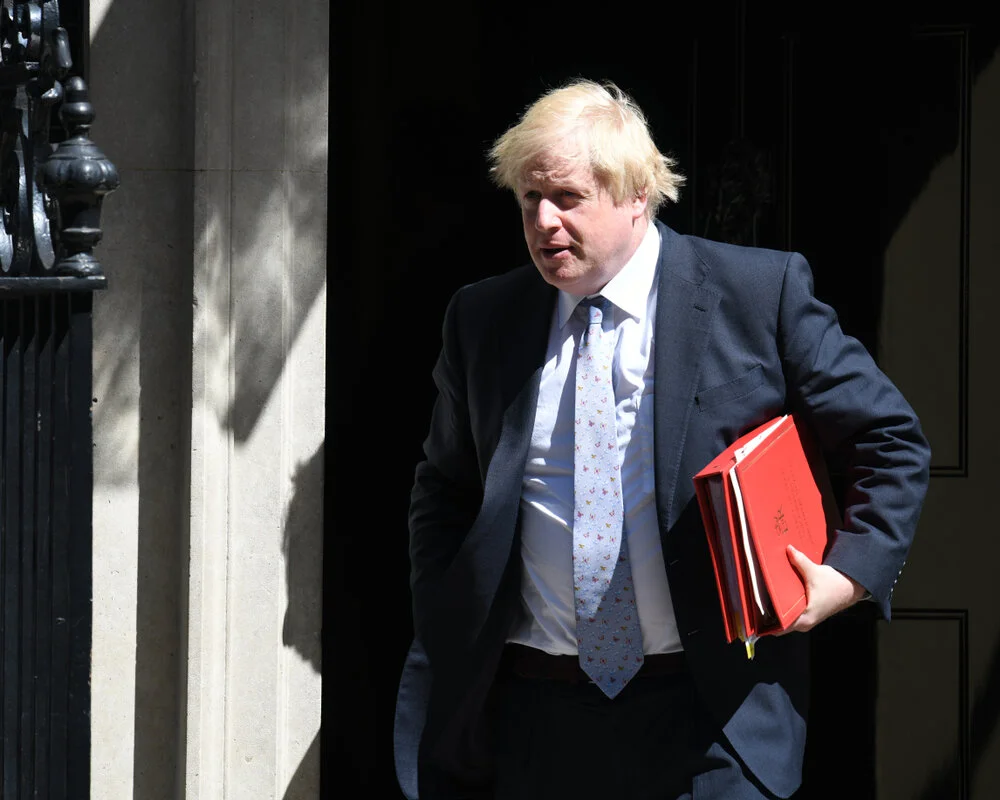
Lessons learned from the outbreak have emphasised that there is a new style of politics, one which prioritises technical information over the usual political response. In the U.K, Boris Johnson’s government initially adopted a ‘herd immunity’ strategy, the policy of spreading the virus is an example of political strategy, based on taking risk. However, a scientific report from Imperial College resulted in a change of strategy focused on containing rather than spreading the virus. Amidst panic and confusion, the British Government failed to communicate its approach to fighting the virus at epidemic stage.
Whilst other countries were quick to impose lockdown measures, The U.K attempted to ‘manage’ the epidemic to prevent overwhelming the NHS and to allow the economy to function as normal. The ‘herd immunity’ strategy would have allowed the virus to spread throughout the population, even the healthiest parts and the country would have developed some immunity if the virus is ever to break out again – an approach intended to save lives and the economy. Does this mean that the government views the vulnerable population as easily disposable? Most of the U.K population remains untested after health secretary Matt Hancock, set a target of 100,000 tests a day by the end of April. In the same month the government announced that £13bn NHS debt would be wiped. In a recent address, Chancellor Rishi Sunak stated, “the U.K should not choose between the economy and public health”.
Boris Johnson imposed a police enforced lockdown with drastic measures in place, following the strategy of most countries. What’s interesting to note is the government’s ability to bypass the law and parliamentary procedure in giving police extra powers to enforce lockdown measures. Communication has been a huge problem in the U.K and perhaps fuelled the panic. In the absence of information, online rumours filled the vacuum where official communications should be, as people latched onto whatever information was available. We saw the stockpiling of hand sanitisers and tissue before COVID-19 was even understood; potential misinformation on social media sent the population into a frenzy and 5G conspiracies have become reality in some parts of the country.

ShutterstockA look at Asia – Lessons from History
How have Asian countries such as Taiwan, South Korea and Hong Kong managed to avoid the outbreak which paralysed their neighbours in China? Taiwan has 59 confirmed cases and one death, ranking 50th in confirmed coronavirus cases worldwide. One thing can be said, these countries have learned lessons from history. The Asian region’s approach has been shaped by more recent epidemics such as the SARS outbreak. Exposure has shaped the government’s response and the citizens willingness to cooperate. Whilst western democracies such as the U.S and U.K have been slow to react to the imminent threat of outbreak, Asian governments were better prepared to react fast and vigorously and perhaps the west, overestimated their capabilities to handle a crisis of this scale.
So which policies helped contain the virus in Taiwan and Singapore and slowed infection rates in the cases of South Korea, Japan and Hong Kong? To start with, these countries have adopted a universal healthcare system with clear management structures, the exact thing western democracies such as the U.S lack. They imposed early travel restrictions, aggressive testing and strict quarantine rules. Hong Kong city suspended classes, closed many public facilities and stopped public gatherings. The coronavirus is nothing new to the government of South Korea, which suffered the biggest outbreak after China, yet has had greater success in combating the virus. Its strategy includes testing as many people as possible, implementing ‘drive through” testing facilities where test results are returned on the same day.
Transparency in any government is key. Proactive, open communication has proved successful in limiting the spread of the virus. The South Korean government demonstrated effective communication and maintained an online system to track confirmed cases, sending phone alerts updating citizens daily. The success of the Asian region is also a matter of public adherence to protective measures, with the memories of SARS still fresh in their minds, citizens are complying to official guidance and exercising self-discipline, so there is little to no need for strict law enforcement.
The World Health Organisation praised China for “the most ambitious, agile and suggestive disease containment effort in history”, though the Chinese political system is not one that can be replicated and Asian democracies have proved to be better models for epidemic management in the West. China operates an autocratic system, so when citizens were told to stay home they did just that, whilst we are seeing the complete opposites in countries such as the U.K. Despite suspension of gatherings, police are still having to disperse crowds from parks. The question is, can China still be praised despite absolving responsibility, having hidden the outbreak in November 2019?
ShutterstockMoving forward
One thing can be said about this pandemic – the world isn’t going back to normal. We are seeing a radical change, social communication is shifting to virtual realms. Schools, corporations and governments are changing form by shifting to the digital space. This could mean that countries (most notably sub Saharan Africa) which have failed to prioritise technology could be left behind. The new style of politics displaces the old and private-technical information regimes that influences the social-economic decisions of a country, we are seeing this in the U.K with policies being determined by current conditions and further scientific advice. COVID-19 is a wake up call to governments and organisations around the world. Governments will have to reconsider public policy and evaluate results. Transparency is vital in any well functioning government and communication can make or break mitigation of crises. The race to end the pandemic requires global cooperation, lockdowns and contact tracing.
Whilst countries are beginning to relax their restrictions, the U.K Government cannot begin to ease restrictions as the country now has the highest coronavirus cases in Europe. Today, Boris Johnson announced plans of a lockdown extension across all four countries, with plans to monitor and lower the reproduction rate of the virus. The aim is to ensure measures taken don’t force the reproduction rate over one, which would see an exponential growth in the virus transmission. This plan is subject to conditions as Boris urges Britons to ‘stay alert’ and abide by the social distancing rules, all whilst encouraging people to take ‘more and unlimited amounts’ of outdoor exercise, with members of their household. Those that can’t work from home have been urged to return back to work but advised to avoid public transport and observe the rules – there is no clear definition of “can’t go to work” and many people cannot afford to take any more time off work. The government has asked education and childcare settings to prepare to open for 1st June. With the alert level at 4, progression towards to level will depend on citizens staying alert and following the rules. As the transmission rate lowers – if at all – it will be time to impose quarantine on those coming into the country. At the earliest by July, the government hopes to re-open public places subject to safety measures such as further social distancing. The announcement lacked clarity and provides very little detail on important information, leaving many confused and conflicted.
Sarah Adama - Politician

How to Keep Start-ups Alive and Kicking During the COVID-19 Pandemic.
COVID-19 started almost like a rumour, whispers of this virus over in China. Then it seemed like it was something that would never reach us, it barely affected us, it was almost like an afterthought mentioned on the news every so often. We could have never imagined the impact it would have on us, turning everything as we’ve known it upside down. All our plans, our ideas brought to a grinding halt. Allegedly. Workplaces, businesses brought to a standstill. Supposedly.
How to Keep Start-ups Alive and Kicking During the COVID-19 Pandemic
Words Kechi Chinda
COVID-19 started almost like a rumour, whispers of this virus over in China. Then it seemed like it was something that would never reach us, it barely affected us, it was almost like an afterthought mentioned on the news every so often. We could have never imagined the impact it would have on us, turning everything as we’ve known it upside down. All our plans, our ideas brought to a grinding halt. Allegedly. Workplaces, businesses brought to a standstill. Supposedly.

ShutterstockIs this the reality, do we really hold our hands up and surrender to this phantom virus? How do we turn this time into something positive? How can we adapt and utilise resources we had never considered before to make the best of a bad situation?
Let’s be honest, most businesses are suffering, especially the smaller start up’s, that we cannot deny. However, there is a way to survive in this climate. There are ways you can still market your business and maintain and gain new clients spending little to nothing of your marketing budget.
So we have done the legwork for you and have summarised 6 easy steps to maintain and grow your business during the COVID-19 pandemic.

Shutterstock1. Re-establish Your Niche
There is a reason you set up shop in the first place, that reason still exists but think about how you can adapt that slightly to fit in with how the world is currently functioning. Does this mean you become more digital? Does this mean you aim for a wider target audience? Broaden your horizons but maintain the reasons why you should always be first choice.
2. Show Your Value
Create high quality content. People recognise and respect value. If you are putting information out there make sure the audience has something tangible to take away. By teaching them something you are creating authority.
3. Expand Your Network
Utilise tools like LinkedIn and build connections with those in your industry. Instinct often tells us we can succeed alone but actually building relationships and pooling your knowledge works to build a stronger brand presence.

Shutterstock4. Position Yourself as an Expert
You are good at what you do, that’s why you do it. Show everyone why you are the best at this. What knowledge do you have that others could benefit from? Target professional conferences and webinars, build your portfolio and gain more exposure.
5. Optimise Yourself
Take the long term strategy approach, make sure all your content is littered with high quality keywords. This won’t work immediately but the more content you develop, the more highly you will rank online and in turn you will be recognised as a thought leader in your industry.
6. Build a Digital Relationship With Your Clients
Utilise what you already have! You have an existing client base, this is the perfect time to build a relationship with them. Companies are reaching out directly to clients and asking them what they want to see. Listen to those suggestions and see if what they are asking for is something you can provide. Clients feel more connected to companies who understand them.
These should allow you to weather this storm and allow you to come out the other side, not only closer to your clients but set up to be more adaptable should something like this happen again.
Kechi Chinda - Senior Project Manager

Augmented Reality: The Silver Lining Every Fashion Brand Needs Amid the Crisis
Immersive technology or augmented reality (AR) as it's more commonly known, is taking the digital world by storm. Although generally not a new aspect of the digital world, it is becoming a major trend in the industry. In uncertain times such as these, where physical stores have been closed down and anxiety is spreading across every industry, augmented reality (AR) is becoming a silver lining for fashion brands.
Augmented Reality: The Silver Lining Every Fashion Brand Needs Amid the Crisis
Words Bethany Boyo
Immersive technology or augmented reality (AR) as it's more commonly known, is taking the digital world by storm. Although generally not a new aspect of the digital world, it is becoming a major trend in the industry. In uncertain times such as these, where physical stores have been closed down and anxiety is spreading across every industry, augmented reality (AR) is becoming a silver lining for fashion brands.

ShutterstockWith more and more people staying at home, this means customers are utilising digital and e-commerce platforms and screen time amongst consumers have increased rapidly. According to Mckinsey & Company, the number of consumers set to purchase through online and social channels rather than physical will continue to steadily increase. That being said, fashion and retail companies are beginning to utilise AR, not only to drive sales but to keep their loyal customers and new customers engaged.
To stay ahead of this growing change in consumer shopping habits, fashion brands need to adapt to new modes of online engagement. Becoming creative with content digitally, is now a primary way for brands to increase interaction with their customers and augmented reality (AR) does just that. Brands like ASOS and NARS Cosmetics, have already begun to lead in this sphere with virtual fitting rooms and ‘try it on’ applications being made accessible to customers. Apparel brands are also following suit with Lacoste launching an app that allows customers to try on shoes virtually whilst in their brick and mortar stores. Augmented reality (AR) is slowly becoming the bridge between physical and digital.

ShutterstockIn the midst of the crisis the world is currently facing, having to stay indoors has accelerated augmented reality (AR) into becoming an integral part of many brands' marketing and e-commerce structure. Although still fairly nascent, many AR creators are opening up the sector to become more accessible to customers, giving them the ultimate shopping experience indoors. It is fast becoming an expectation of consumers to try before they buy, and AR completely changes the way consumers can do so.
Social media companies such as Facebook and Instagram have also begun releasing AR enabled advertising and posts, bringing consumers closer to transacting more via Instagram. Shopify has also made it a lot easier for their brands to add AR on their websites after discovering that the use of AR on various sites increased the brands conversion rates.
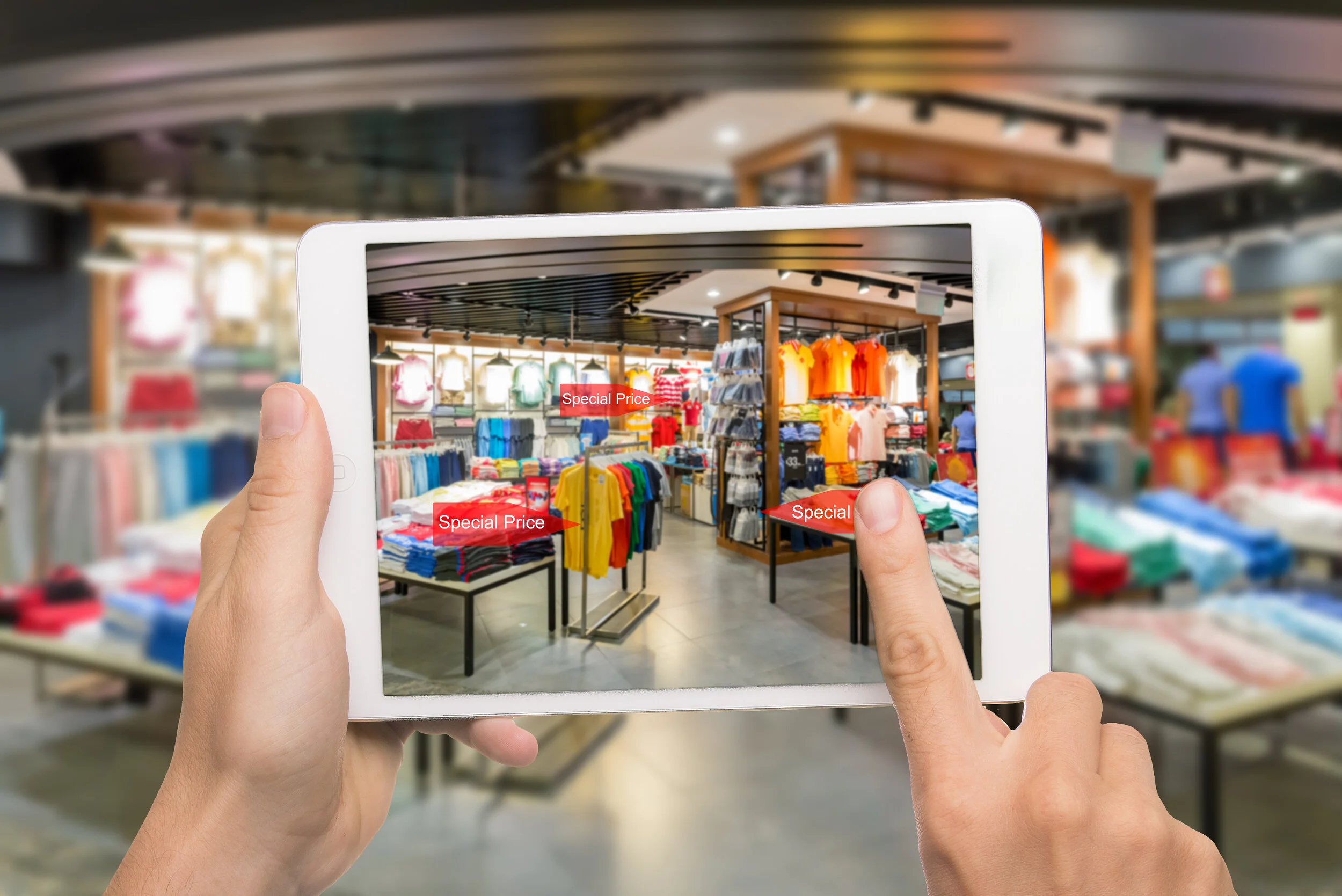
ShutterstockMany believe AR will continue to grow and become a major factor to consider, in relation to consumer shopping habits and conversion rates, others still believe that it is too early to tell whether AR will become more than just a trend in the fashion industry.
Bethany Boyo - Content Creator & Fashion News Editor

Pregnant and Locked Up
There has been an insurmountable rise of those affected by COVID-19 in recent weeks, from the young to the elderly alike. However, many of these numbers neglect to include a vital part of our population; the individuals that make up the prison system.
Pregnant and Locked Up
Words Faith Wilcox
There has been an insurmountable rise of those affected by COVID-19 in recent weeks, from the young to the elderly alike. However, many of these numbers neglect to include a vital part of our population; the individuals that make up the prison system.

ShutterstockIn November 2019, it was recorded that 47 pregnant women were incarcerated across England and Wales. As part of the vulnerable in society, pregnant women have been advised to stay at home for the duration of the crisis. However, what hasn't been addressed are the number of incarcerated pregnant women - should they be granted early or temporary release in line within COVID-19 guidelines?
Prisons in the UK have already taken the initiative to separate pregnant women from the general population; this includes transfers within prisons being kept to a minimum to keep in line with the social distancing guidelines. Generally overcrowded and overpopulated environments with minimal ‘personal space’, prisons are a hub for the distribution of the virus. This puts pregnant prisoners and children on mother and baby units at a higher risk.
Currently, the UK has six mother and baby secure units catering to 70 women and babies. Often, these women are sentenced to prisons in conditions unwarranted for pregnancies. The lack of spaces in mother and baby units results in many pregnant prisoners giving birth in the confines of the prison walls. In 2019, the death of a baby in HMP Bronzefield came as a wakeup call to the UK prison system. However, the conditions of these institutions still remain the same. The closure of female prisons such as HMP Holloway have put an immense strain on resources in terms of space for pregnant inmates and secure mother and baby units.
Current predicaments have seen prisons being forced to implement lockdowns of up to 23 hours, something highly unusual for female institutions. The mental adjustment for many inmates could also see an increase on prisoners being placed on AACT’s (Suicide and Self-harm watch).
Governors have been given the authority to release pregnant women and those with young children. This is subject to each prisoner's risk assessment, as those deemed high risk will remain in prison to serve their terms.

ShutterstockAlthough the release of certain prisoners sounds like good news, from my personal experience of working in a female institution, I have seen many prisoners released without access to secure accommodation. For many inmates, leaving prison brings more anxiety than entering. The fear of not having a family or home to go to can put pressure on ex-offenders to re-offend. It is estimated that about one in five women, upon release, end up homeless. Aside from the risk of the virus, homelessness is a serious issue that could also increase the risk of spreading the virus to the general population.
What's more concerning is the longer the government is taking to action these plans, it would appear that children are being punished for the depravity of their mothers. This is particularly so in the current prison regime, where there is reduced activity for children. It appears unjust that children are having their health put at risk; due to the government's poor implementation of their decisions. Urgent action is required to protect the pregnant inmates and those placed on the secure mother and baby units. Footage has been circulating over social media displaying the appalling conditions of prisoners suspected to be positive with COVID-19. With this being risky and perilous times, HMPPS (Her Majesty’s Prison and Probation Services) will need to review the status and conditions of secure units and pregnant women, as a matter of grave urgency.
Post COVID-19, it is possible that we will see a campaign for the shift of prison policy pertaining to pregnant inmates and inmates in secure mother and baby units. Conditions for these groups need to be evaluated in terms of standards and wellbeing. The increase in the female population will require the building of more female institutions, specifically those dedicated to mothers and babies. Currently, there are no female institutions in Wales. HMP Berwyn Wales (male institution) was opened in 2017 and has still not reached full capacity. Having a female section of this prison is something the government might want to consider when expanding spaces for female inmates.
If you are concerned about someone you know in prison, especially if they are pregnant or in a secure mother and baby unit; please do not hesitate to contact the safer custody department or the duty governor of the prison.
Faith Wilcox - Trainee Social Worker

Pregnancy During The Lockdown
Jadesola Oginni, Diabetic Specialist Midwife and Antenatal Class Teacher gives us all the answers to the most pressing questions that all pregnant women have been asking during the lockdown period.
Pregnancy During The Lockdown
Words Jadesola Oginni
Jadesola Oginni, Diabetic Specialist Midwife and Antenatal Class Teacher gives us all the answers to the most pressing questions that all pregnant women have been asking during the lockdown period.

ShutterstockWhat is COVID-19?
COVID-19 is a newly discovered coronavirus. It is transmitted by being in contact with infectious materials and surfaces (WHO, 2020). COVID-19 is characterised by a fever, cough, shortness of breath and other symptoms. COVID-19 was first noted in Wuhan, China in the year 2019 (WHO, 2020).
How Can it Spread?
Current evidence suggests that COVID-19 is spread through droplets when a person sneezes or coughs (NHS, 2020). COVID-19 can be spread: directly from close contact with an infected person (within 2 metres) where respiratory secretions can enter the eyes, mouth, nose or airways (NCDHHS, 2020 ).
What Does This Do for My Unborn Baby?
The Royal College of Obstetrics and Gynaecology (RCOG) suggests that pregnant women do not appear more likely to contract the infection than the general population (RCOG, 2020). The RCOG guidelines propose that new evidence suggest that vertical transmission (from mother to baby) is probable. This is all based on a small number of recent cases, however the current situation is changing and evidence will always be updated. There are currently no data suggesting an increased risk of miscarriage or early pregnancy loss in relation to COVID-19.
What Does This Mean To Me?
It is important for all pregnant women to follow the government guidelines regardless of their gestation to observe social distancing, wash their hands, stay at home unless it’s necessary to leave their home.

ShutterstockWhat Are Symptoms of COVID?
1. Fever
2. Cough
3. Shortness of breath or difficulty breathing
4. Chills
5. Repeated shaking with chills
6. Muscle pain
7. Headache
8. Sore throat
9. New loss of taste and smell
This list is not all inclusive, consult your local provider (111) if you develop these symptoms or it worsens. Call (911) if you have a medical emergency according to CDC.
Should I Still Attend My Antenatal Appointments?
If you have been booked for a routine scan or antenatal appointment it is advised that you attend. Many hospital trust’s are providing virtual appointments, however if they have not cancelled your appointment and notified you then you should contact your maternity unit for advice before attending.
I’ve Heard I’ll Be in Labour Alone?
The latest guidelines from the RCOG suggest that women should have a single, asymptomatic birth partner during labour as other visitors are not permitted. This birth partner should stay with you at all times and are advised not to roam around the ward or the hospital (RCOG, 2020).
I am COVID Positive, What Do I Do?
If you are infected with COVID-19 you are advised to self-isolate at home for 7days. If you live with others they should self-isolate for 14 days starting from the day your symptoms started (Public Health England, 2020). Please notify your 111 and your maternity team if your symptoms worsen. Please avoid attending the maternity unit until you’ve spoken to your maternity team, they will arrange a safe place for you to stay and be observed (RCOG, 2020).

ShutterstockWhat Can I do During Quarantine?
Why not try a potassium and sweet filled snack?
Slice one whole banana in small pieces
Layer each one with peanut butter and coat with another banana slice
You can add some nuts on the side
Why not go for a brisk walk?
Take a 30 minute walk before 9am
Take with you a hat, water bottle and you phone for music
Pause if you feel discomfort or pain
Why don’t you start packing your delivery bag?
Add your favourite snacks
Don't forget your toiletries
Always carry your maternity notes
If you want a full breakdown of the ‘what to bring bag’ email allbirths@outlook.com for a free copy.
Jadesola Oginni - Diabetic Specialist Midwife & Antenatal Class Teacher

Legal Advice You Should Know During COVID-19 in Property, Renting, Immigration and Employment
Coronavirus has been declared a pandemic by the World Health Organisation. With the majority of the world in different stages of quarantine due to its uncertain nature, it is easy to panic and become overwhelmed with questions. Despite health problems, COVID-19 has also presented obstacles for businesses, employees and almost every aspect of society both in the UK and globally. In this article, we highlight things to be aware of in renting, immigration and employment during the pandemic and hopefully answer some of your questions.
Legal Advice You Should Know During COVID-19 in Property, Renting, Immigration and Employment
Words Dorothy Adu
Coronavirus has been declared a pandemic by the World Health Organisation. With the majority of the world in different stages of quarantine due to its uncertain nature, it is easy to panic and become overwhelmed with questions. Despite health problems, COVID-19 has also presented obstacles for businesses, employees and almost every aspect of society both in the UK and globally. In this article, we highlight things to be aware of in renting, immigration and employment during the pandemic and hopefully answer some of your questions.

ShutterstockRenting
With many employees being furloughed and others losing jobs or having to close their business, the pandemic has brought on a period of financial difficulty. What are some options available to tenants during this time? The Coronavirus Act 2020 came into effect on the 26th March 2020. Under this act, until 30th of September 2020, most landlords will be unable to begin proceedings to gain possession of their property without giving their tenant(s) at least three months’ notice. This provides support to tenants as they have a three-month period before proceedings begin, where they can make alternative arrangements if needed. Furthermore, existing and new claims for housing possession have been suspended for a 90-day period since the 27th of March 2020. landlords have also been strongly advised not to start any new requests to gain property possession without having a “very good reason to do so”.
Tenants should not take advantage of these measures and should continue to do the best they can to meet their rent obligations under their tenancy agreement. The government has made financial support available for tenants who find themselves in financial difficulties. If you are a struggling tenant, speak to your landlord as soon as possible. The earlier the better. Rent amounts agreed in your tenancy agreement remain legally due, however, it is within the landlord's discretion to accept a lower rate of rent or agree to a plan to accept arrears later. landlords and tenants are encouraged to adopt a pragmatic approach to ensure that both parties are protected during this time. Regardless of any event, tenants have a right to a safe, warm and decent place to live. It is in the best interests of both landlords and tenants to ensure that the property is kept on good repair and free from hazards.

ShutterstockImmigration
The government has also provided guidance regarding the aspects of UK immigration and borders that have been affected by COVID 19 in the UK. As for visa extensions, if you are in the UK with leave expiring before 31st May 2020 and have been unable to leave the UK due to travel restrictions, the general policy is the Home Office will grant visa extensions on request. To get this extension, applicants must update their records with the Coronavirus Immigration team using an online form found on GOV.UK.
Right to Rent Checks
Right to rent checks have been adjusted temporally to make it easier for landlords to carry them out during COVID-19. Although checks continue to be necessary, since March 30th 2020, Landlords can now carry checks over video calls, tenants can send scanned documents or a photo of documents for checks via email or a mobile app with landlords using the Landlord’s Checking Service in the event that prospective or existing tenant are unable to provide any of the existing documents.

ShutterstockRight to Work Checks
Similar to right to rent checks, as of the 30th of March 2020, right to work checks are temporally more flexible to make the process easier for employers to carry out. Checks can be carried out over video calls. Job applicants and existing workers can send scanned documents or a photo of their documents for checks using email or a mobile app. Rather than sending originals copies employers should use the Employer Checking Service if employees cannot provide any of the accepted documents.
Students and Employee’s Sponsorship
The government has decided not to take enforcement action against sponsors who continue to sponsor students or employees despite absences due to coronavirus. Sponsors will not need to report student or employee absences if they are related to coronavirus.
Visits to UK Removal Centres
Due to COVID-19 and the need to take necessary safety precautions, Immigration removal centres are closed to visitors. Visits by legal representatives can take place only in exceptional circumstances and only if other means of contact such as via Skype, phone or email are unavailable. There is also a coronavirus immigration helpline if you have any immigration queries related to coronavirus. The telephone number is: 0800 678 1767 (Monday to Friday, 9am to 5pm) and the calls are free of charge. The email address is: CIH@homeoffice.gov.uk

ShutterstockEmployment
Most employers and workers are being affected in some way by COVID-19, from having to work from home to finding new effective and dynamic ways of providing a service. Furlough seems to be the new buzzword in the world of employment, but what does this mean? The Coronavirus Job Retention Scheme was one of the measures put in place by the Government to support businesses and workers during the pandemic. The scheme allows all UK employers to access a financial subsidy worth 80% of their employee’s wage costs up to a cap of £2,500 per employee per month. Employees affected need to be classed as ‘furloughed workers’ to be eligible for the scheme. Guidance on eligibility and how to this scheme as well as operate can be found on GOV.CO.Uk.
For employers, constantly reviewing your contingency plan is vital. The plan should factor in current and potential impacts as well as manage the specific business risks associated with disruptions within your line of work. This plan should be made transparent to key teams and individuals across the business and updated when it is no longer fit for purpose.
Despite our moral responsibility to ensure that those around us are safe and healthy, employers have a statutory duty of care for the health and safety of their employees. They must ensure that employees feel safe and secure in their employment even for those working remotely. To help ensure that employees do not suffer financially if sick during this time, another measure the government has introduced is self-isolation and Statutory Sick Pay. If an employee or needs to self-isolate, they are entitled to SSP. This includes people who have been told to self-isolate by the NHS, those who have COVID-19, or have symptoms. SSP also applies to people caring for people in their households who display COVID-19 symptoms. Furthermore, SSP will be available from the first day with employers with less than 250 employees being able to claim a refund for COVID-19 related SSP costs of up to two weeks per employee. If sick, employees can self-certify for the first seven days and for a period can use a notification obtained from the NHS 111 as evidence for absence from work. Whatever you do, don’t panic. Ask questions, there is likely to be a scheme to support you during this time.
Dorothy Adu - LPC MSc Student & Founder of Law City

Is it Hay Fever or COVID-19?
It’s that time of year again! The atmosphere is warmer, the days are longer, there are daisies in the garden and the corner shops are selling ice creams again. For most, spring is a time to rejoice. For hay-fever sufferers, the enjoyment can be dampened by dreaded symptoms. But now we’re in a national pandemic, every sneeze is suspicious. Dr Emma is being asked the following question a lot – Is it hay-fever or COVID-19?
Is it Hay Fever or COVID-19?
Words Dr Emma Amoafo-Mensah
It’s that time of year again! The atmosphere is warmer, the days are longer, there are daisies in the garden and the corner shops are selling ice creams again. For most, spring is a time to rejoice. For hay-fever sufferers, the enjoyment can be dampened by dreaded symptoms. But now we’re in a national pandemic, every sneeze is suspicious. Dr Emma is being asked the following question a lot – Is it hay-fever or COVID-19?

ShutterstockHay-fever, or seasonal rhinitis, is basically an allergic reaction to pollen that comes from grass, trees and weeds. The levels of pollen in the air are highest during early spring and summer. The pollen comes into contact with our eyes, nose, throat and mouth and that’s why those body parts are the site of most symptoms – itchy and watery eyes, a blocked nose, sneezing, coughing, itchy throat and loss of smell. Some people’s lungs, especially those with asthma are also affected and this can lead to shortness of breath, wheezing and a feeling of tightness in the chest.
Of course, many of these symptoms overlap with those caused by COVID-19, so sometimes people find it difficult to tell which is which.
COVID-19 - Corona (CO) Virus (VI) Disease (D) 19 (2019) is an infectious disease caused by the SARS-CoV-2 virus, and in most people manifests as a mild, maybe moderate respiratory illness. Most people don’t need admission to hospital and will be able to recover at home.

ShutterstockOne particular reason for the confusion is that COVID-19 causes a variety of symptoms, and new symptoms are being reported in scientific journals as we speak! As of now, the symptoms NHS UK want us to look out for are fever (that is, a new high temperature) and a new, continuous cough (that is, coughing a lot for more than an hour, or three or more coughing episodes in 24 hours).
From my own personal experience of treating patients with COVID-19, I know that the symptoms vary quite greatly. As well as the above symptoms, patients often complain of diarrhoea, loss of appetite, difficulty breathing and even loss of smell and/or taste. Another common symptom is profound tiredness and weakness. I know of people who have been infected who needed to sleep for the vast majority of the day, and felt so weak that getting out of bed to go to the toilet was a huge task.

ShutterstockHow do we differentiate the two?
The first, probably easiest method of differentiation is to examine your own past experience. People who get hay-fever often get it every year and should hopefully be able to recognise their symptoms arriving with Spring. Unfortunately, this isn’t foolproof because the pollen released into the atmosphere changes yearly. This means some people sometimes suffer from hay-fever one year and not the other, or the severity of symptoms is variable.
Secondly, COVID-19 rarely causes eye symptoms. If your eyes are itchy, red and sore hay-fever is likely to be the offender. That itchy feeling in the back of your throat and forever-running nose is pretty specific for hay-fever too.
There is also a lot to gain from listening to your body on the whole. Having hay-fever can be extremely annoying, but shouldn’t usually make you feel unwell. COVID-19 can be accompanied by general malaise – that is, feeling generally “meh”.
Hopefully this helps clear up some of the uncertainty. Ultimately, if you think you have COVID-19, you should begin to self-isolate. Most people are safe to be managed at home, but if your symptoms are making you feel too unwell, especially if your breathing is an issue, you should call 111 for advice. If you have underlying medical problems, especially cardiovascular disease or lung disease, you should let your usual healthcare provider know. Hay-fever can usually be treated with over the counter antihistamines such as loratadine and chlorpheniramine. The most important thing to remember is that neither condition should be a cause for panic! There are lots of resources available to help you, whatever the outcome.
Dr Emma Amoafo-Mensah - NHS Doctor, Founder and Philanthropist